The wildflowers are out
The country around Broken Hill has had rain, and the desert has responded. Every stop today came with wildflowers: mulla mulla, papery blue and yellow things we could not name, ruby dock glowing pink against the rocks, and a patch of Sturt's desert pea, which needs no introduction.
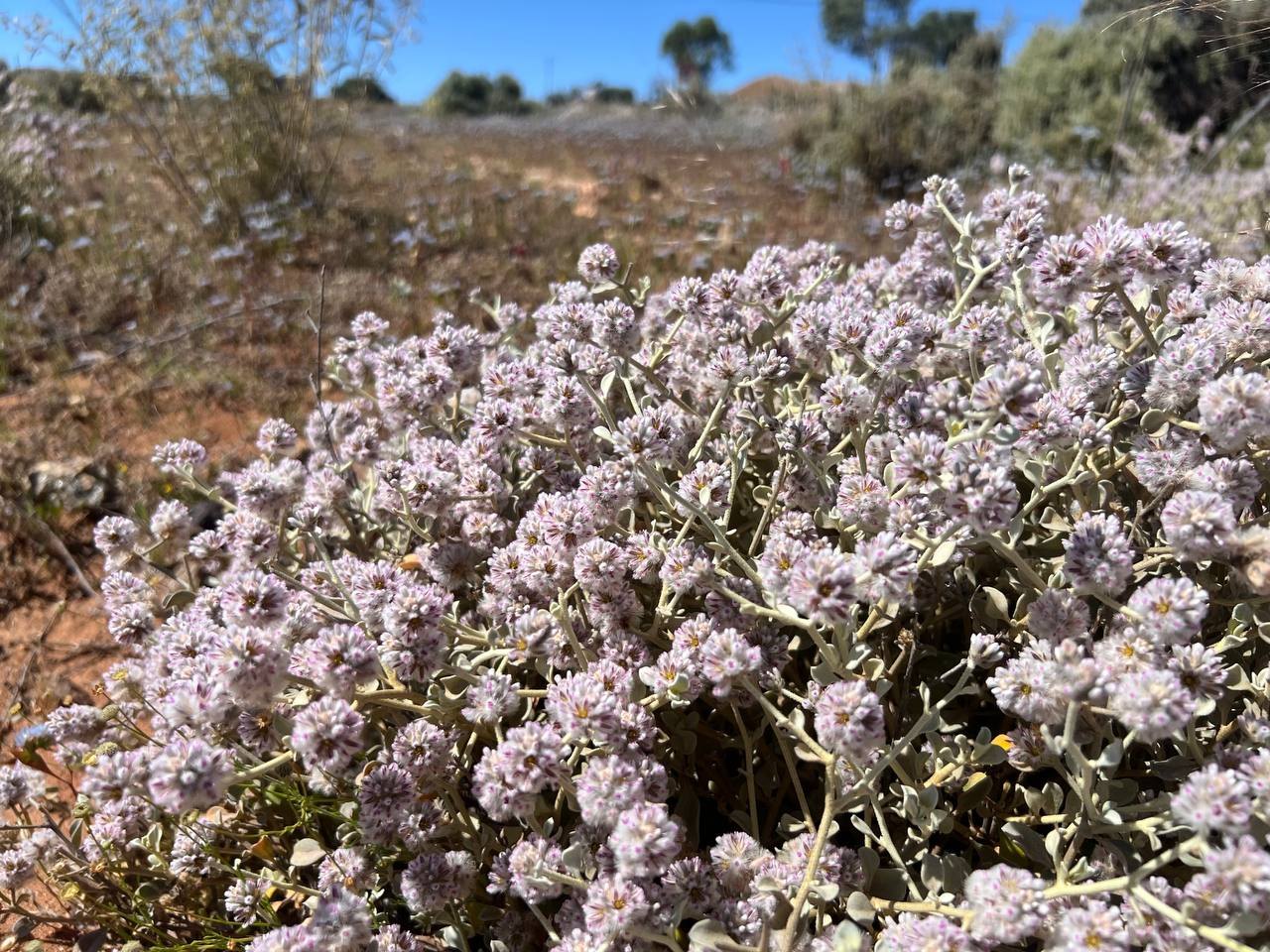 Mulla mulla, doing its purple haze thing.
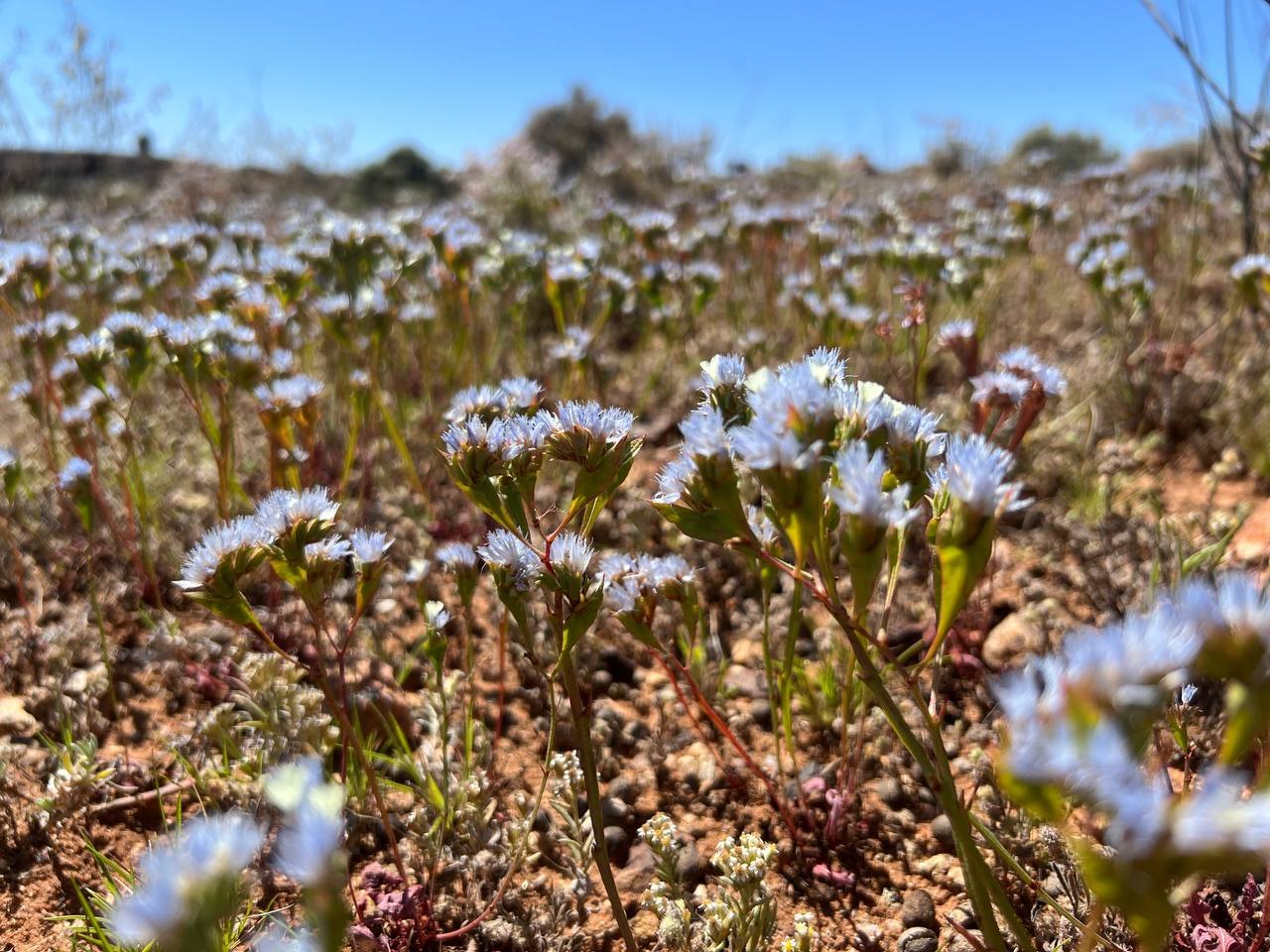 Pale blue and papery. Name unknown, appreciated regardless.
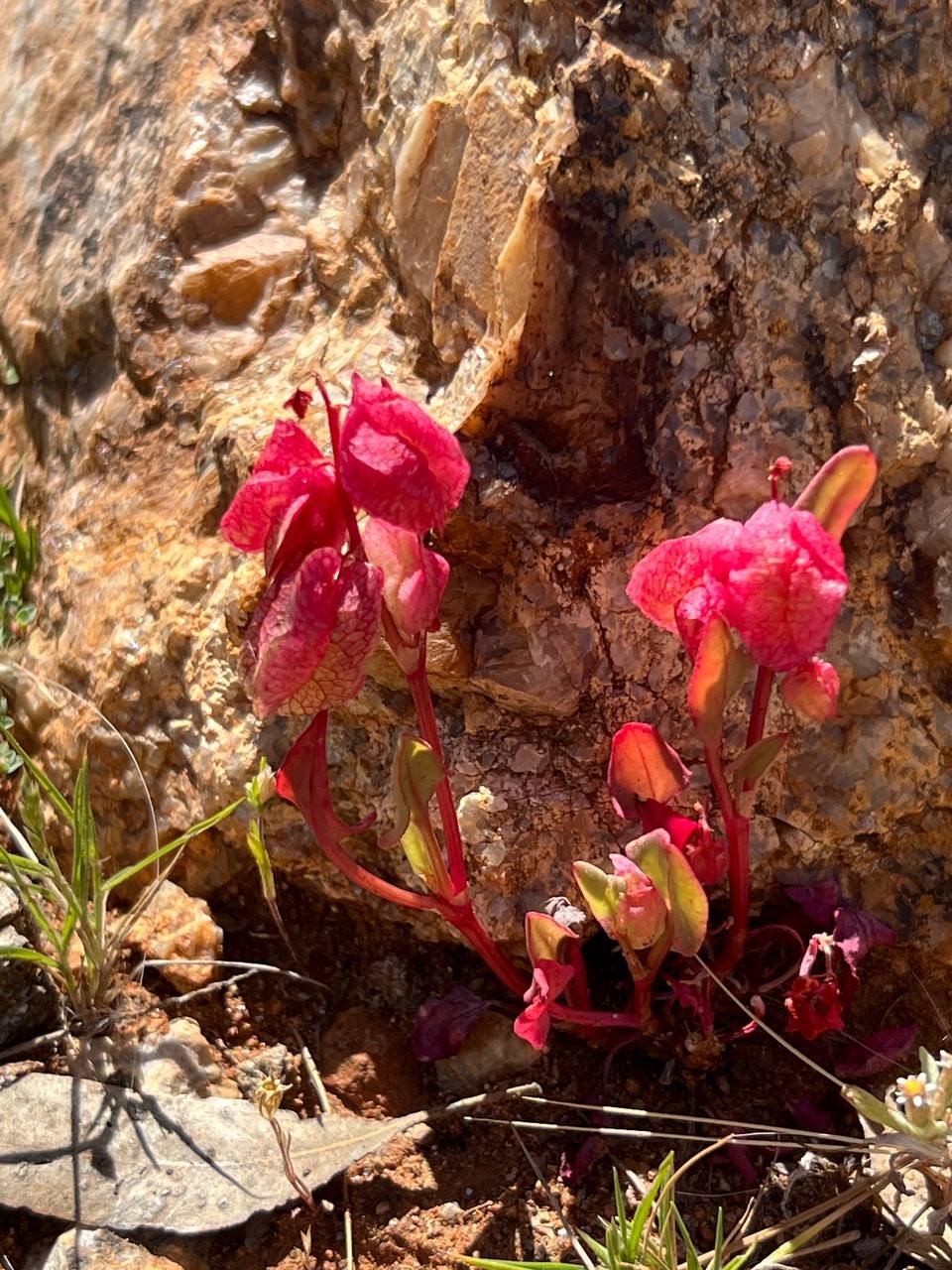 Ruby dock catching the light.
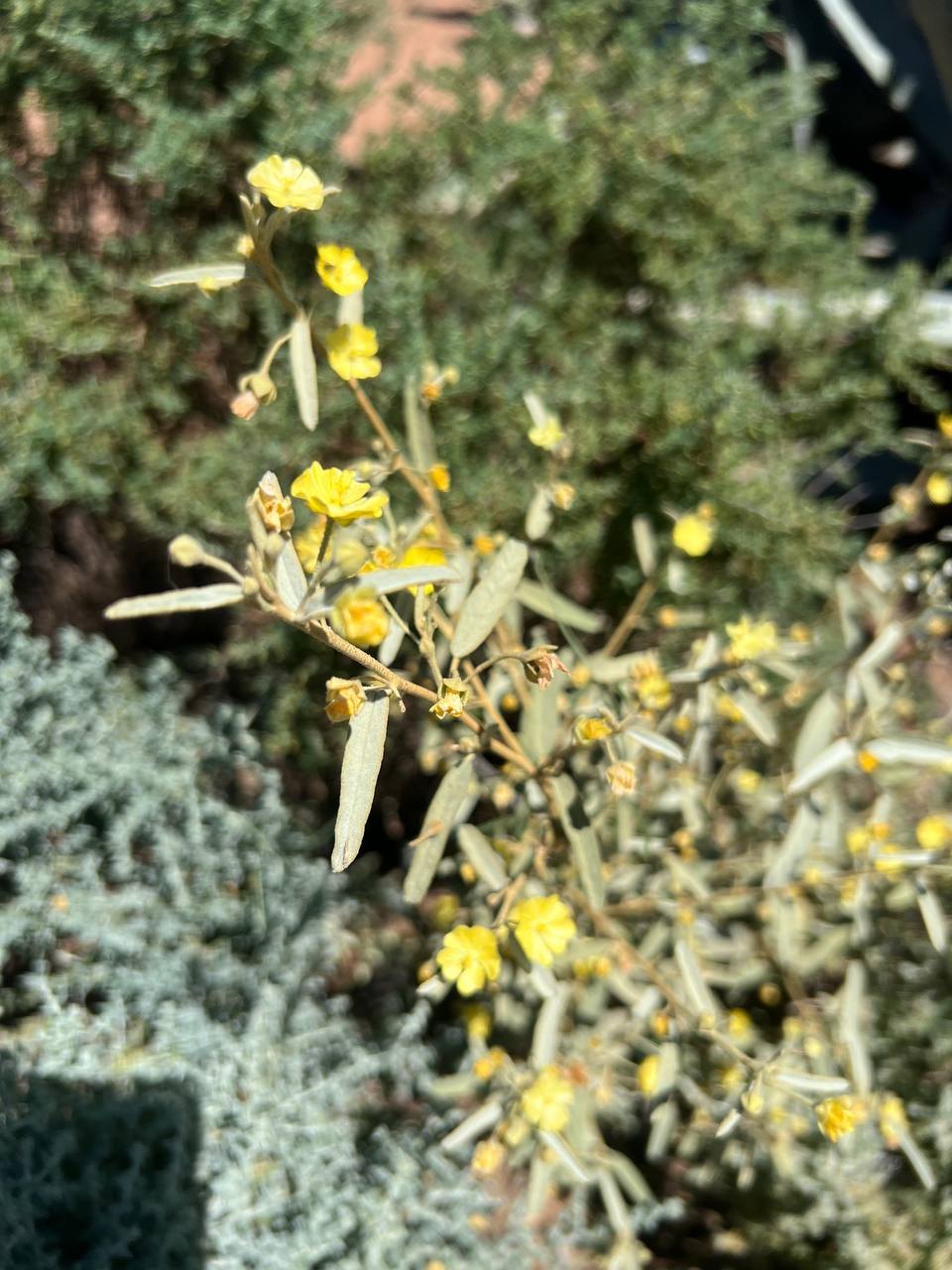 More yellow than the desert should reasonably produce.
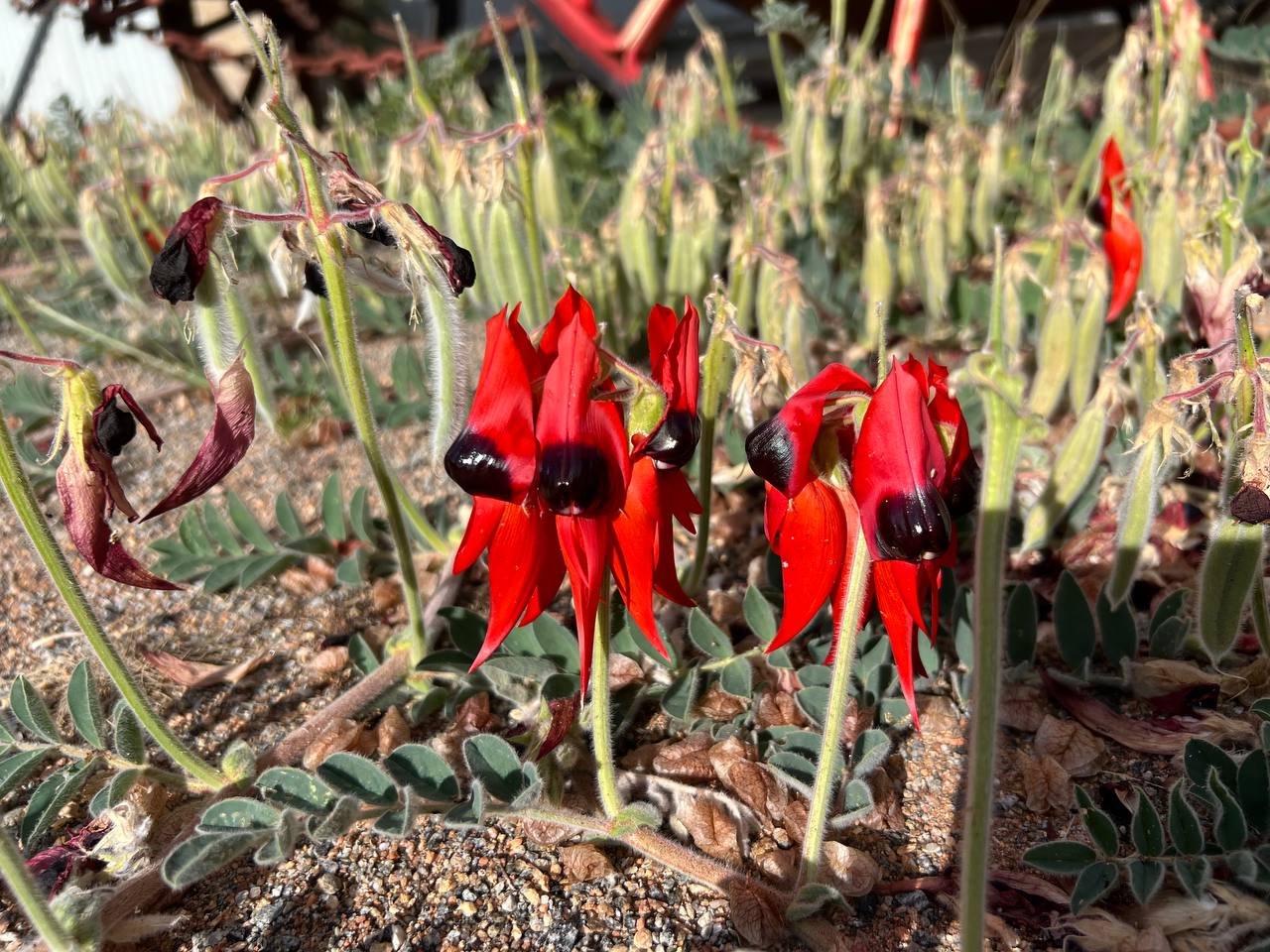 Sturt's desert pea. The desert showing off.
Day Dream Mine
First stop was the Day Dream Mine, about twenty minutes out of Broken Hill on the Silverton road. Our guide was Cody, a local from multiple generations of miners, which is about the best qualification a tour guide can have.
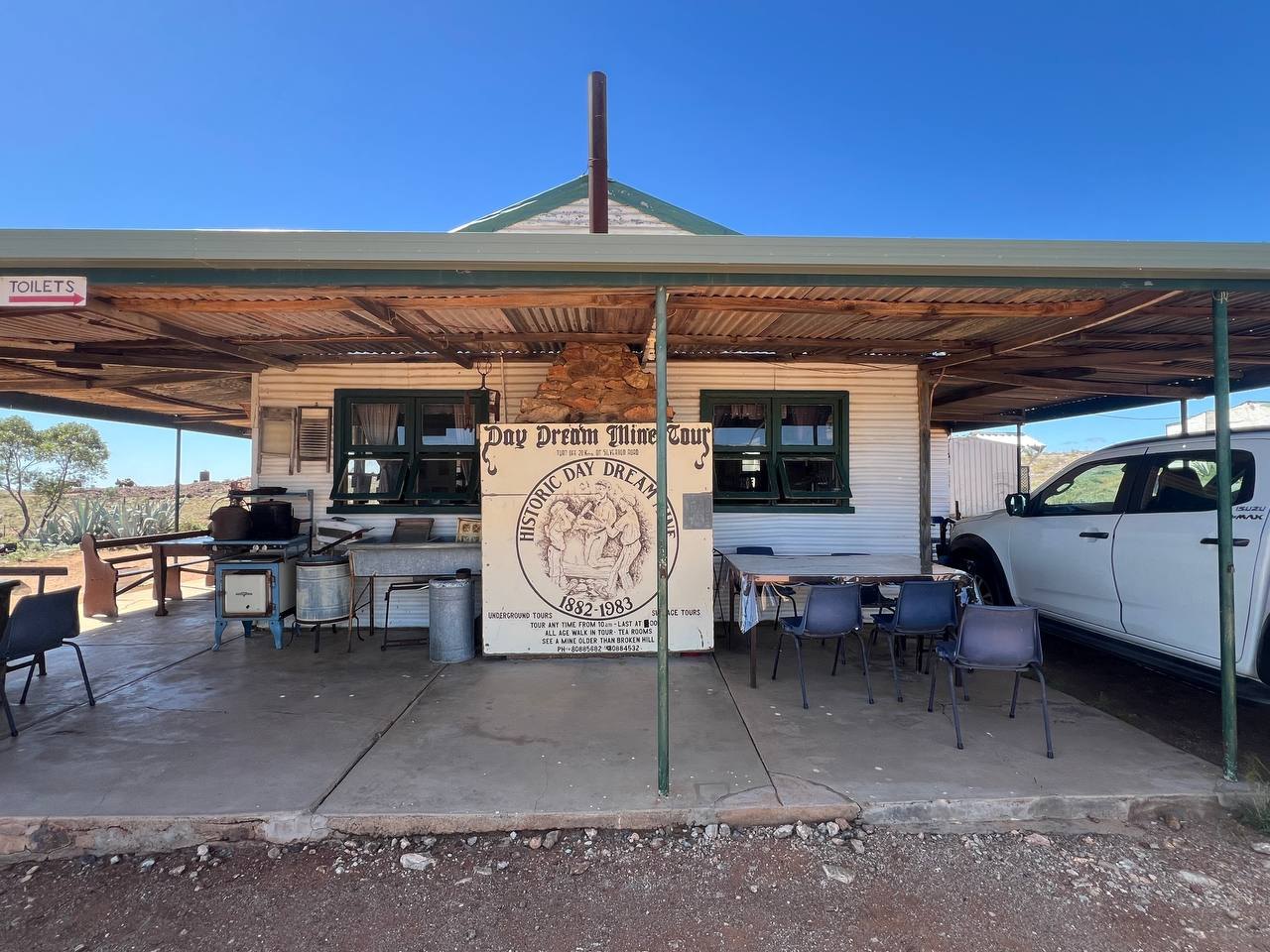 The Day Dream Mine: 1882 to 1983, and older than Broken Hill itself, as the sign is keen to point out.
The tour runs in two parts: above ground, then below it. The surface is a scatter of rusting machinery, old steam engines sitting on the hillside exactly where the money ran out, and the 1882 black powder room dug into the rock.
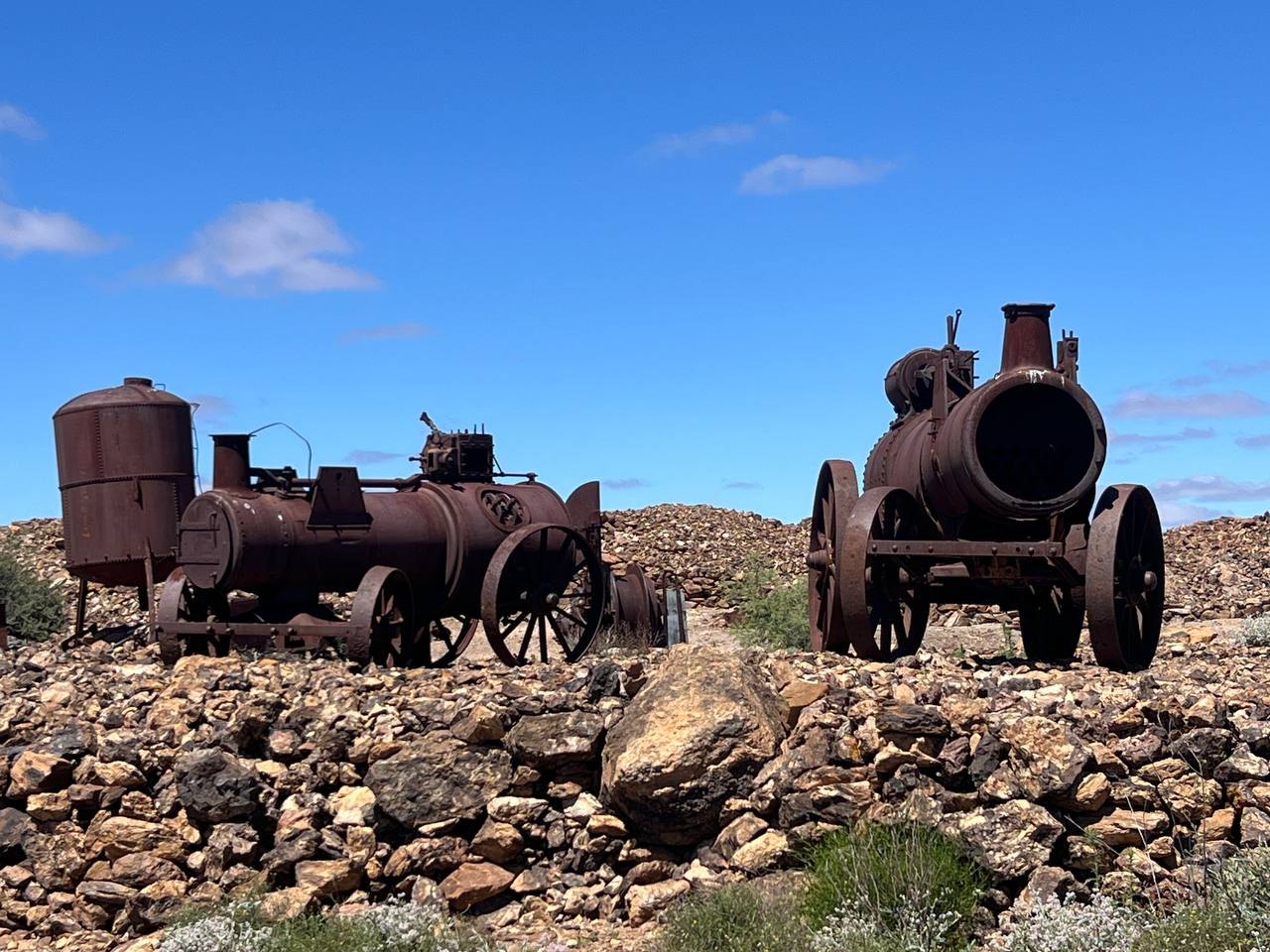 Steam engines, retired mid-sentence.
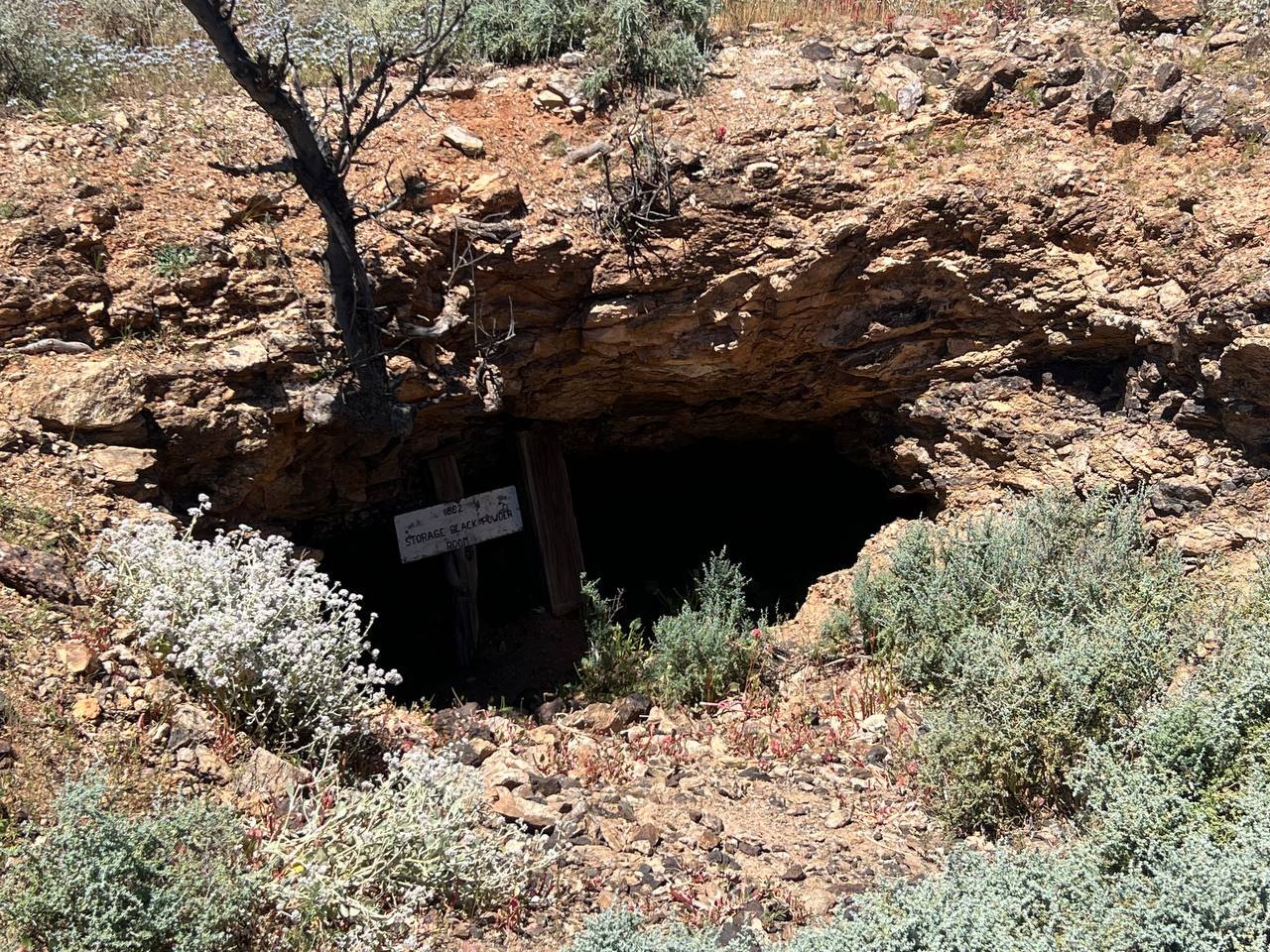 The black powder storage room, 1882. A sensible distance from everything else.
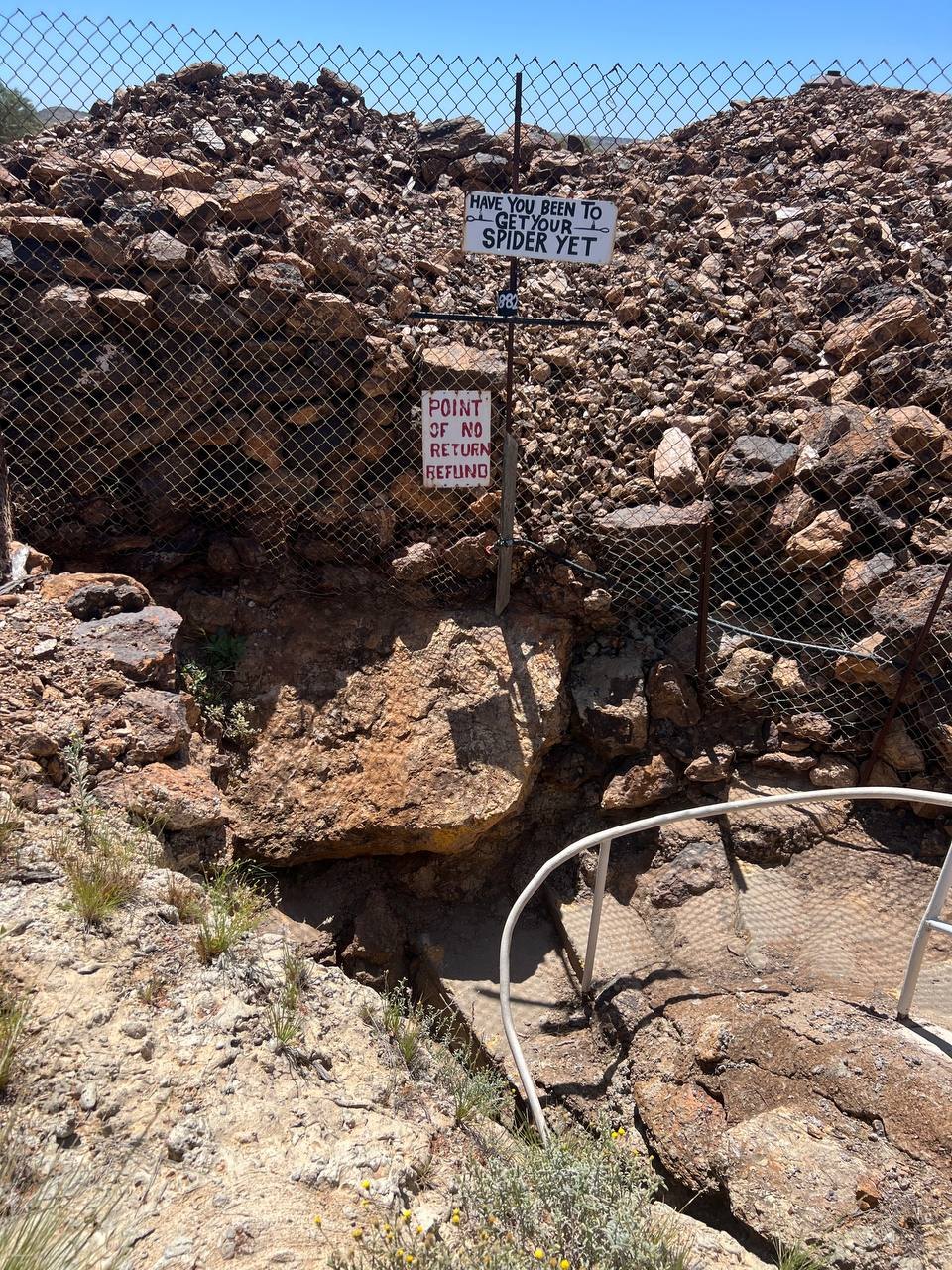 "Point of no return. No refund." The tourism industry could learn from this honesty.
Then underground, into the stopes and drives, ducking under timber that has been holding the hill up for well over a century. The old tools are still down there: picks, hammers, chisels, all coated in a hundred years of dust.
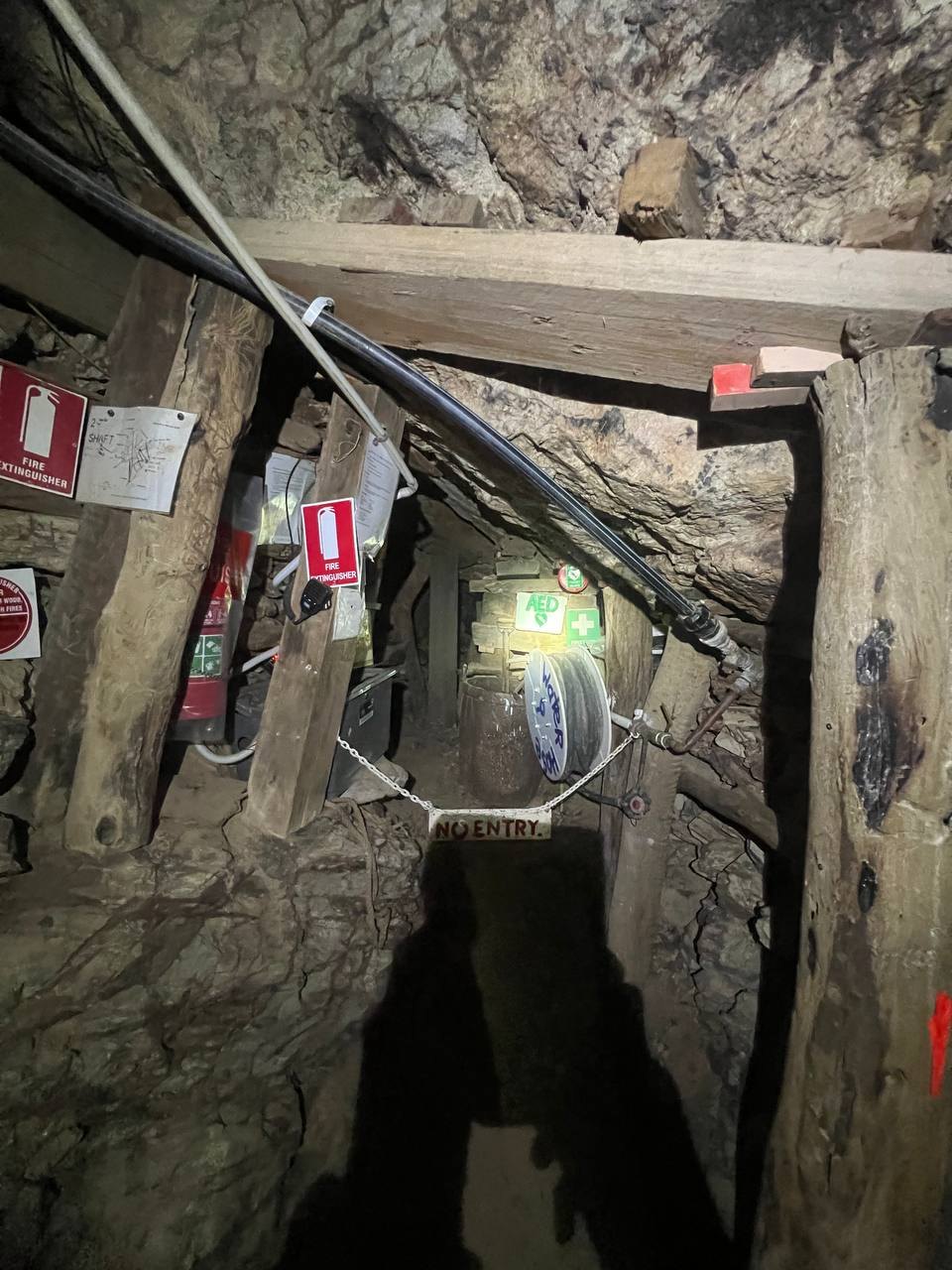 Underground. The fire extinguisher and AED are reassuringly modern additions.
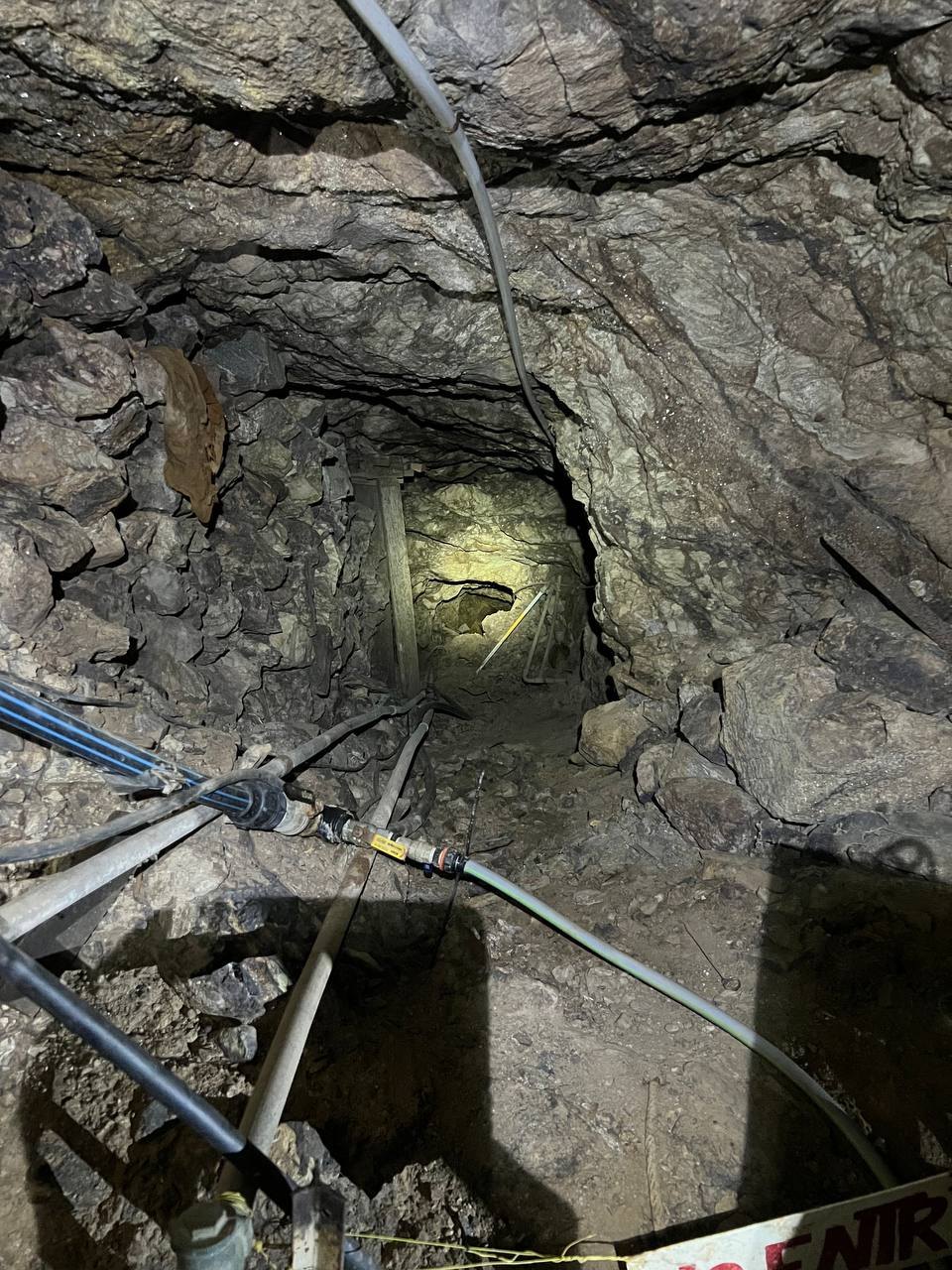 Not a lot of elbow room. Mining was a smaller person's profession.
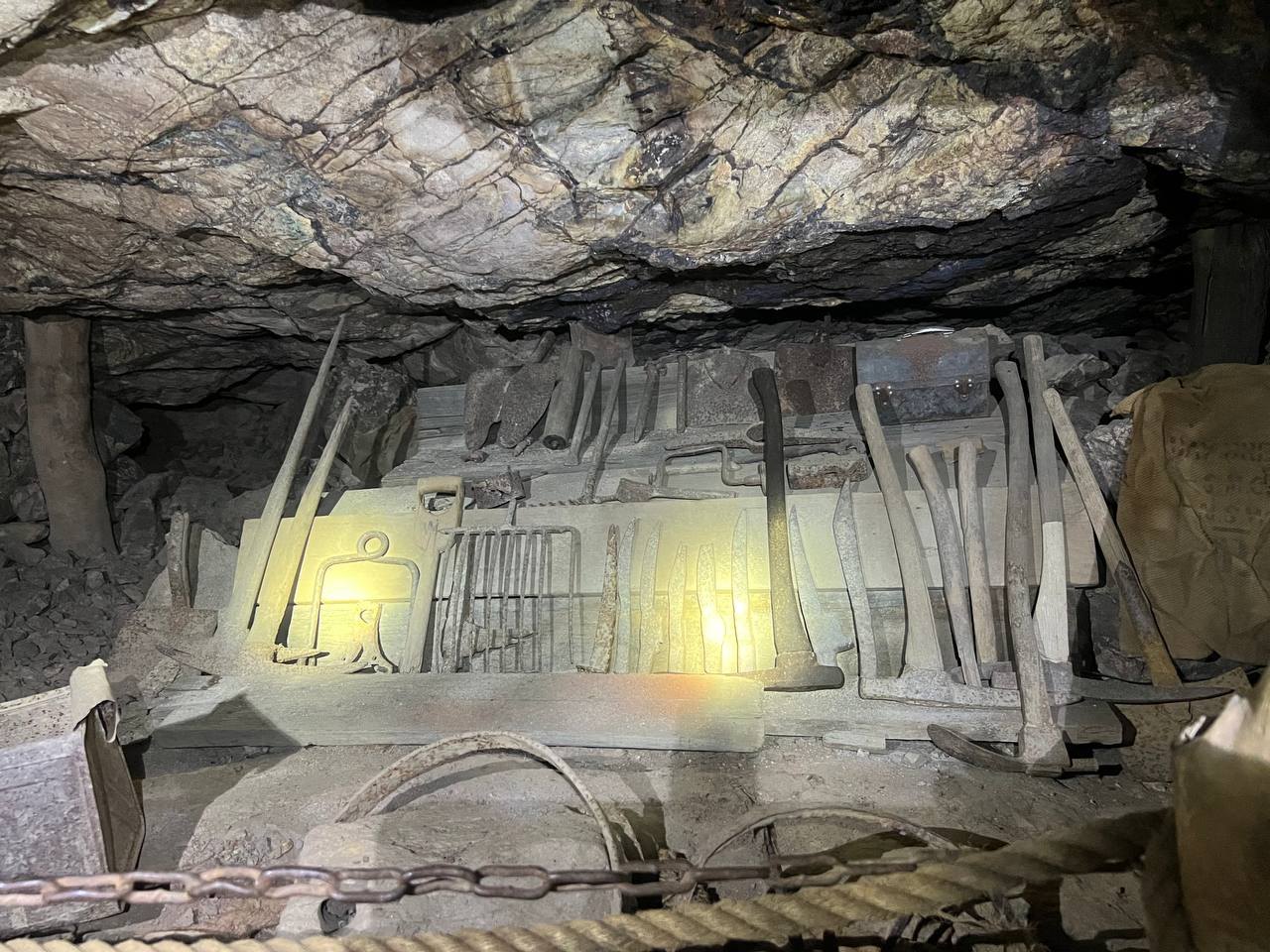 The tool crib, preserved under a century of dust.
The Day Dream is older than Broken Hill. Silver was found here in December 1882, and by 1884 there were four or five hundred people on the field, complete with a smelter and a settlement. Then, only months later, the enormous lode at Broken Hill was pegged, and the population simply decamped downhill to the bigger fortune. The Day Dream was worked on and off three times between 1882 and 1983, but the dream, as the name accidentally predicted, never quite came true. It is now a tourist mine, and a very good one.
Silverton
From the mine it was a short run into Silverton, population about fifty, self-declared "original outback".
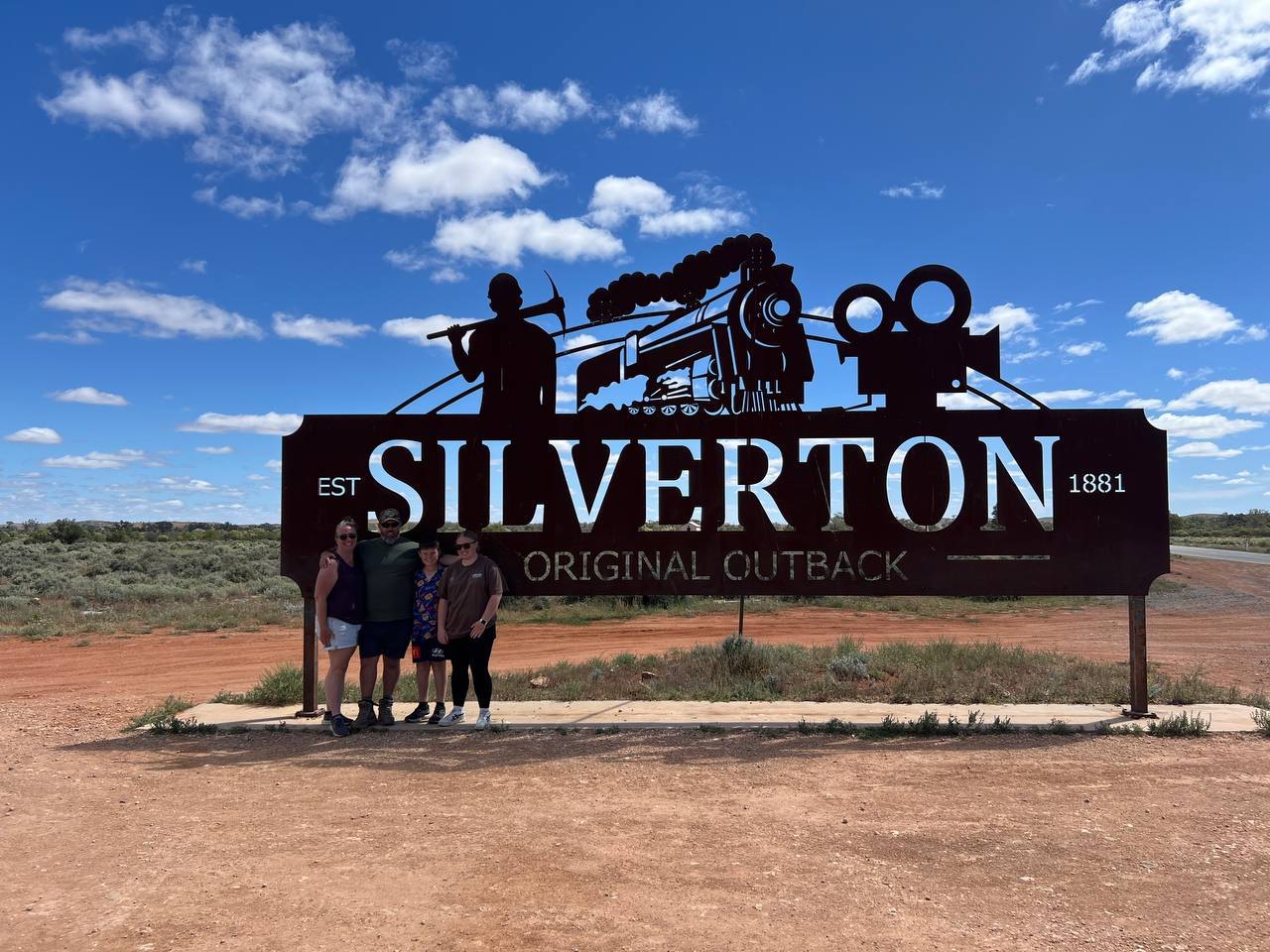 Established 1881. A miner, a steam train and a film camera: the whole town's CV in one sign.
Lunch was at the Silverton Hotel, which is less a pub and more a museum that serves food. Every surface is covered in photographs, signs and memorabilia, and the ceiling carries decades of accumulated graffiti and dangling business cards.
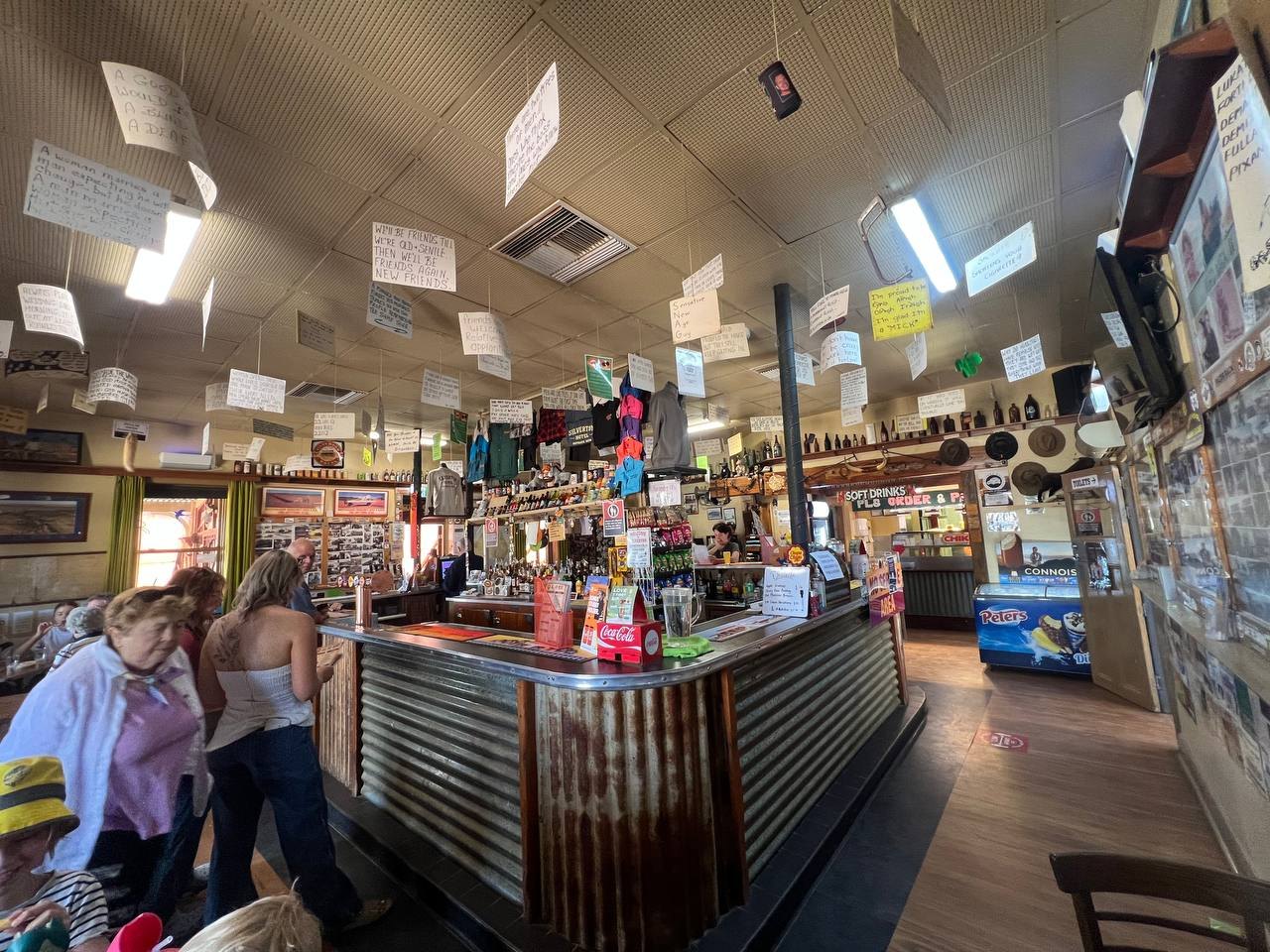 "We'll be friends till we're old and senile, then we'll be new friends."
Parked out front was a Baja Bug with an enormous supercharged V8 where the front seats should be, because of course there was.
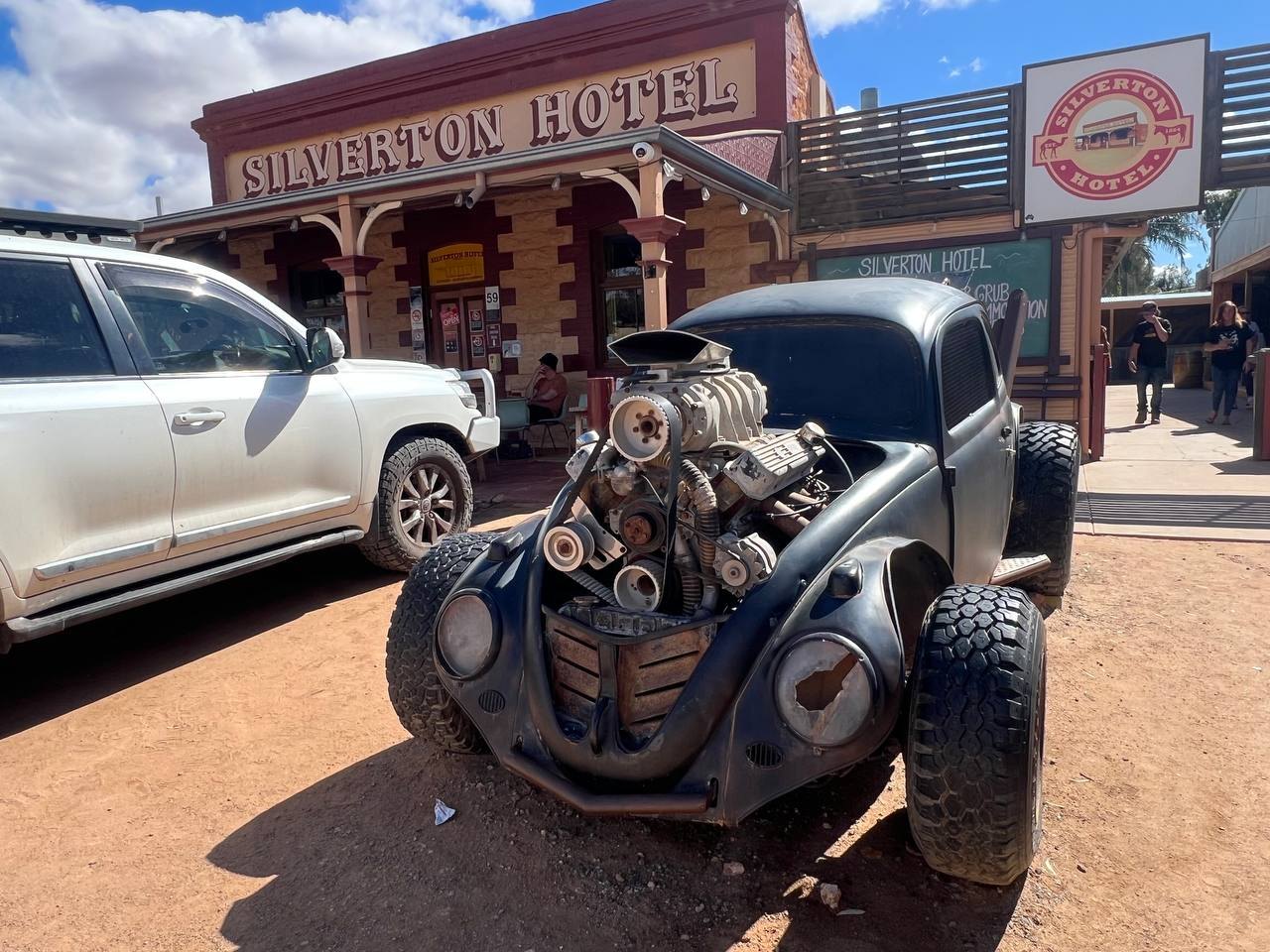 A Beetle with a supercharged V8 and no visible regrets.
The Mad Max 2 Museum
Silverton's other industry is being the apocalypse. Mad Max 2: The Road Warrior was filmed around here and out on the Mundi Mundi Plains in 1981, and the Mad Max 2 Museum is one man's obsessive tribute to it: a corrugated shed full of replica vehicles, costumes, props and hundreds of behind-the-scenes photographs.
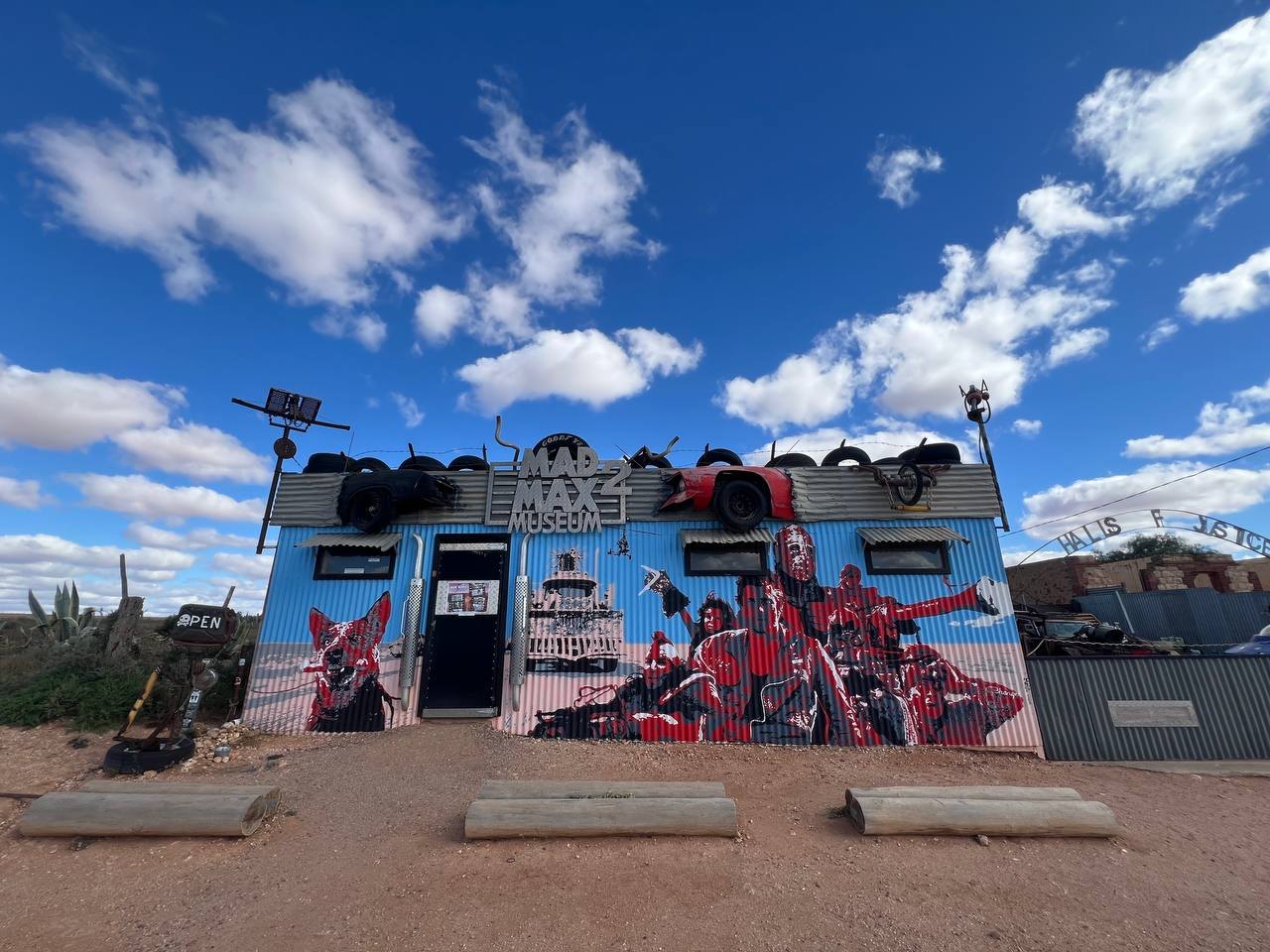 The Mad Max 2 Museum. Note the "Halls of Justice" arch. Very official.
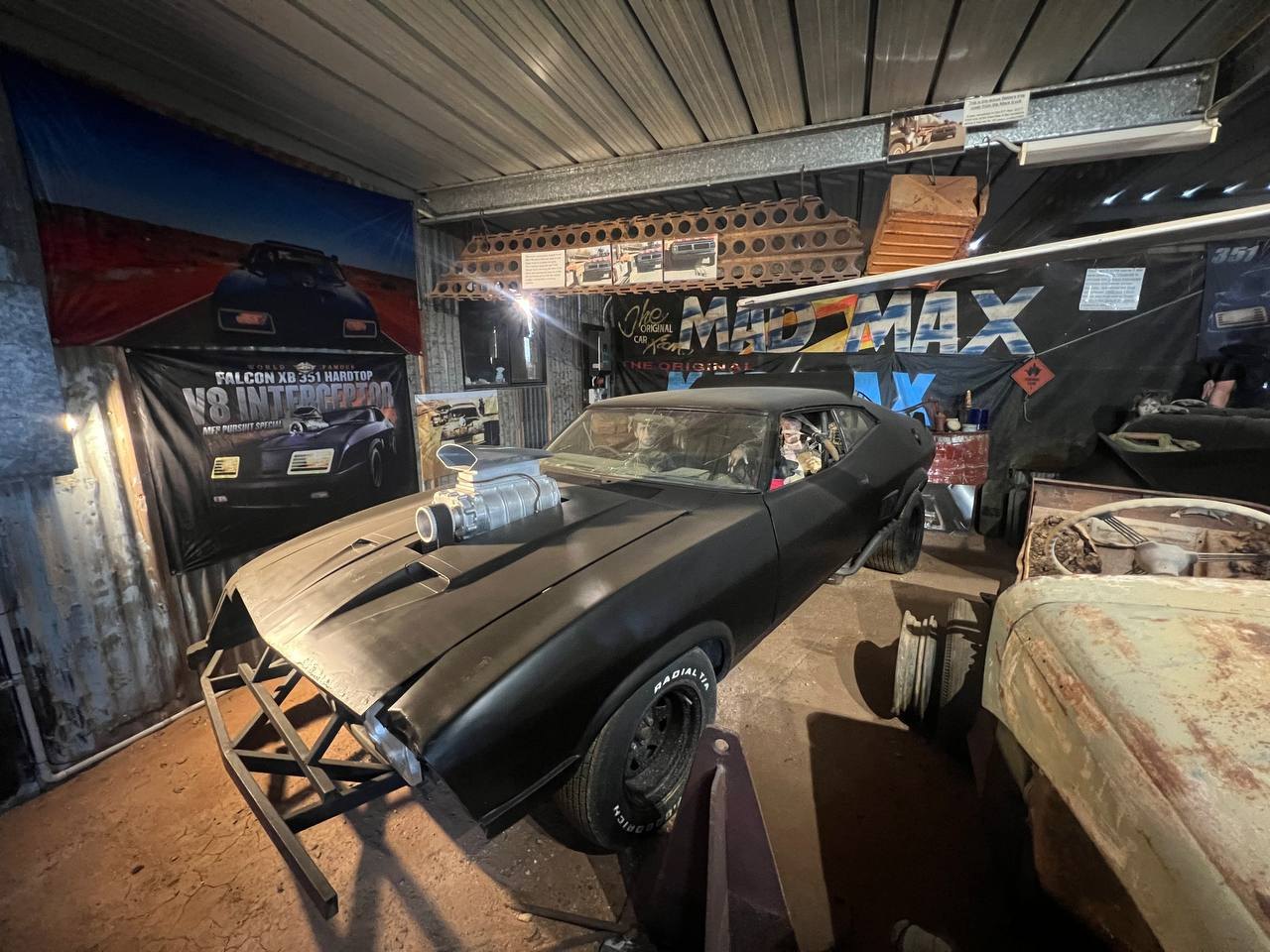 The Interceptor. The last of the V8s.
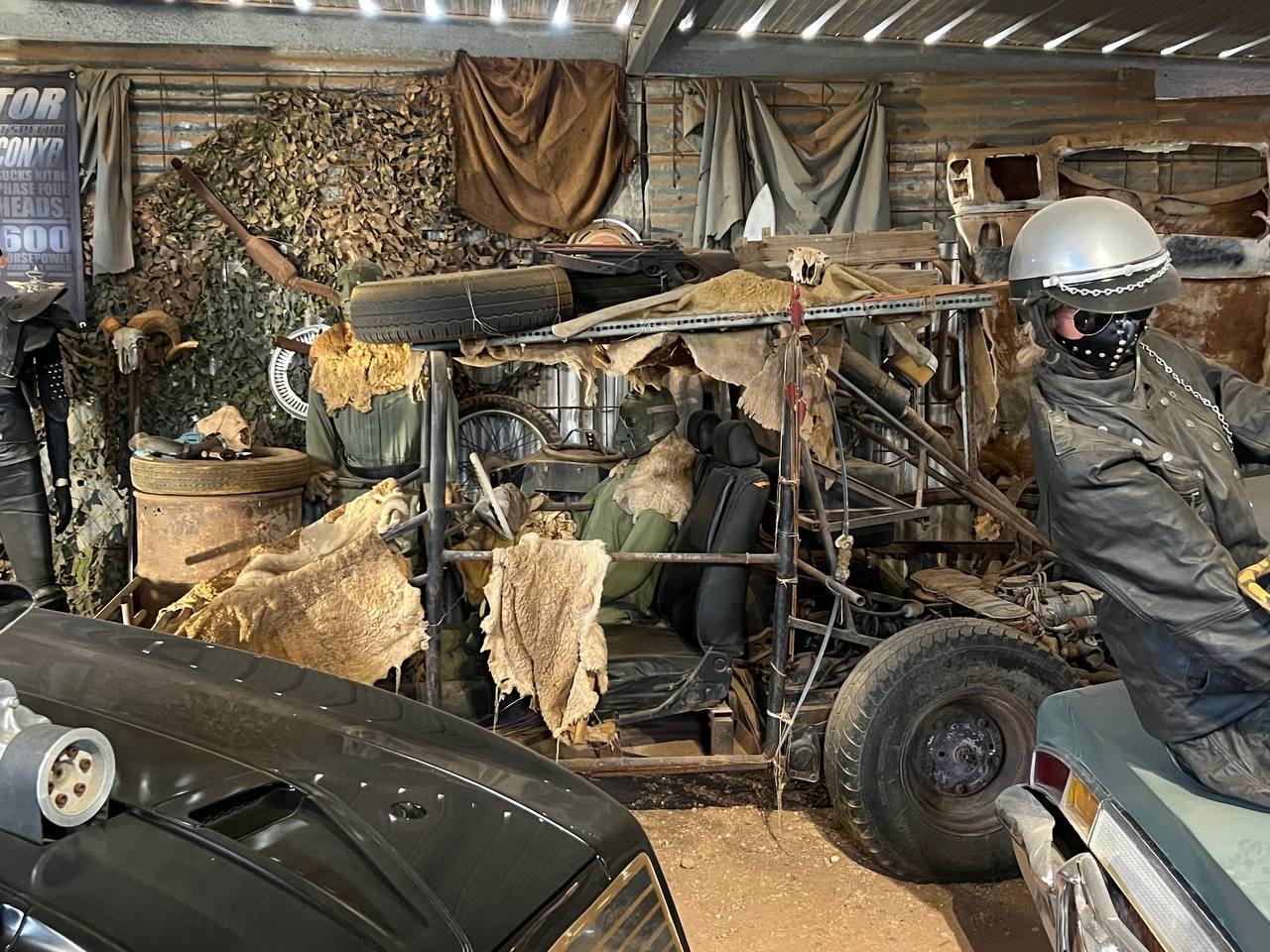 The casting department had a specific aesthetic in mind.
Silverton Gaol and the secret societies
The last stamp of the day was the Silverton Gaol and Historical Museum, an 1889 stone gaol that the Broken Hill Historical Society has run as a museum since 1968. It is an absolute rabbit warren: room after room crammed with a century of local life, from the cells themselves to old medical gear, schoolroom displays and war memorabilia.
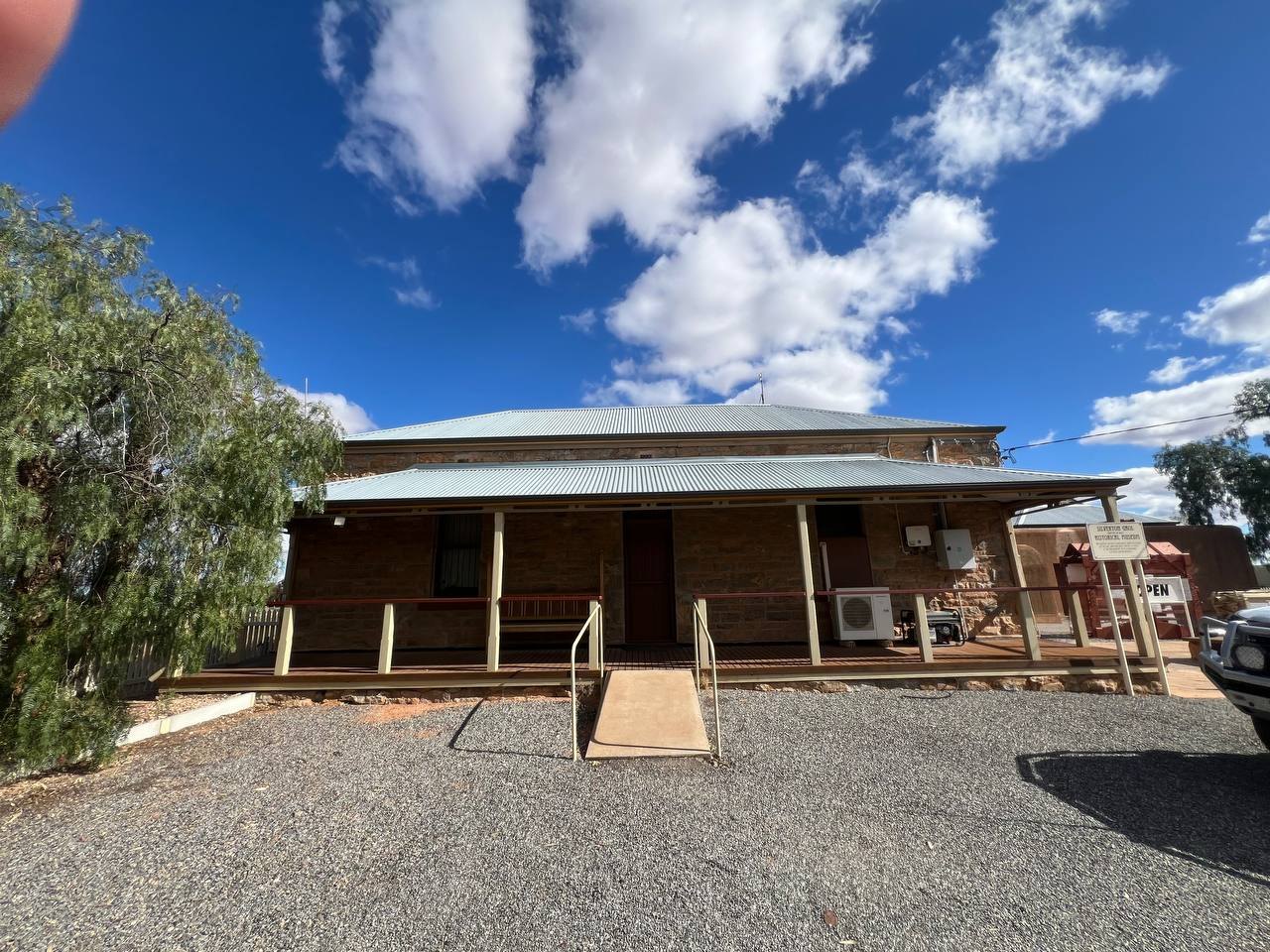 The Silverton Gaol, 1889. Now with ramp access and a gift shop.
The room that caught us was the one dedicated to the friendly societies: Freemasons, Oddfellows, Rechabites and their kin. Before there was a welfare state, these lodges were how working people insured each other against sickness, injury and a pauper's funeral. In a mining town, where injury was a matter of when rather than if, nearly every man belonged to at least one. The regalia was spectacular, and the certificates were works of art.
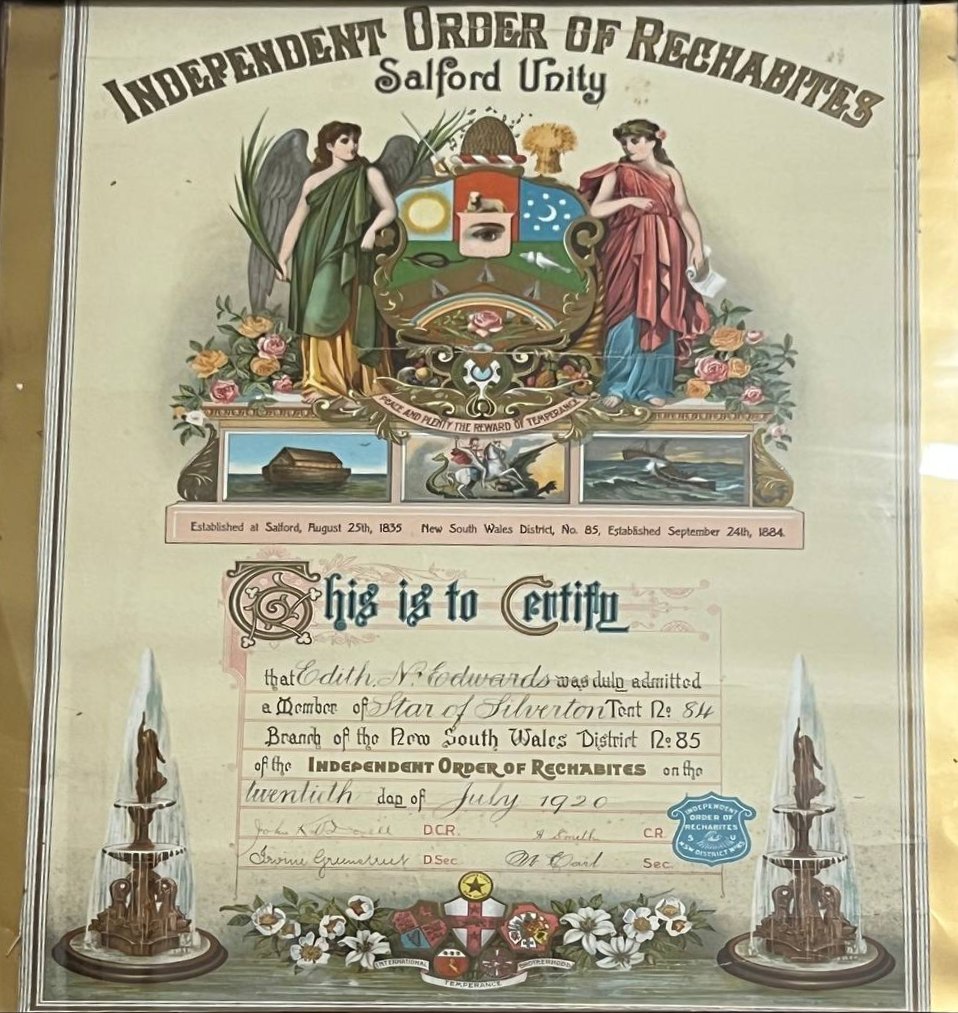 Independent Order of Rechabites, Star of Silverton Tent No. 84, 1920. The Rechabites were the temperance mob: no grog, plenty of ceremony.
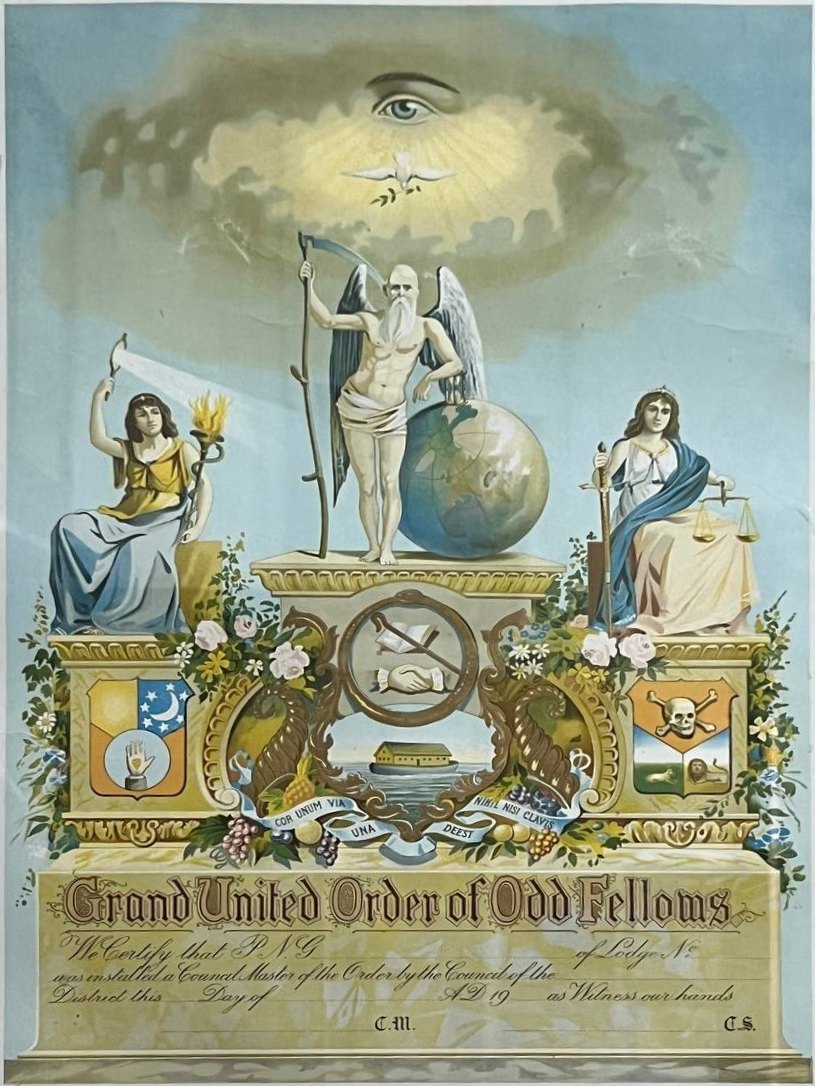 Grand United Order of Odd Fellows. Father Time, Justice, a coffin and a skull: cheerful stuff for a mutual insurance club.
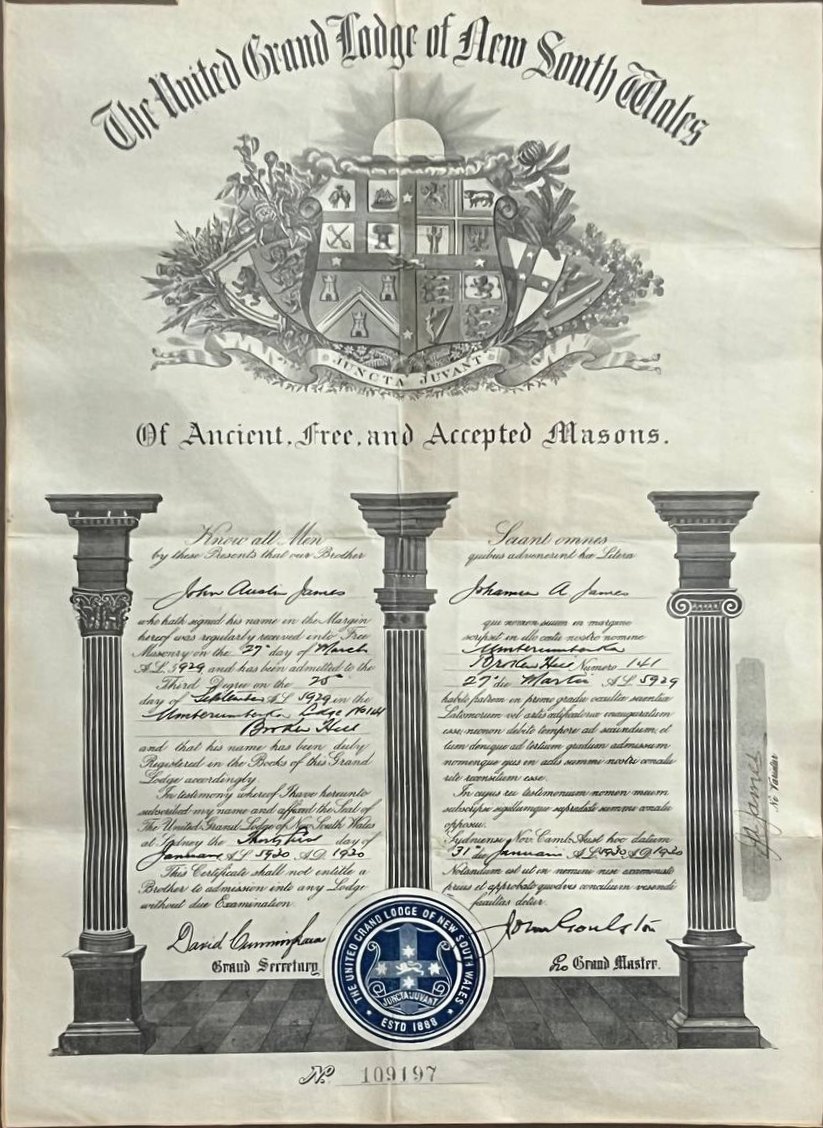 United Grand Lodge of NSW, Ancient Free and Accepted Masons, 1930. Audi, vide, tace: hear, see, keep quiet.
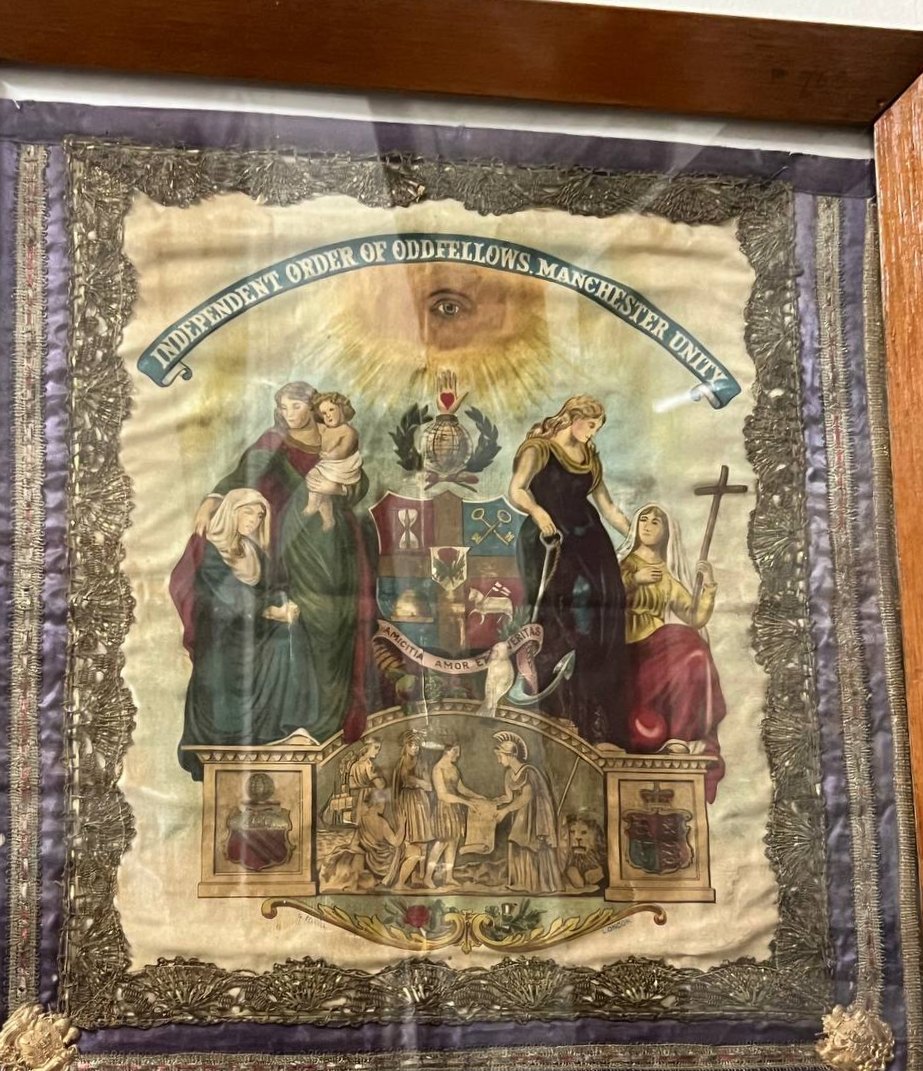 Independent Order of Oddfellows, Manchester Unity. Friendship, love and truth, in painted silk.
Sunset camel ride
We finished the day the only sensible way: on a camel, at sunset, with Silverton Outback Camels. The ride loops through the township and right past the front of the pub as the light goes.
Ten Camel Facts
- The hump is fat, not water. Up to 35 kilograms of it. Burning that fat releases water as a by-product, which is where the myth comes from. On a well-fed camel the hump stands up firm; on a hungry one it flops over sideways.
- They can drink seawater. Or near enough. Wild Bactrian camels have been documented drinking from springs saltier than the ocean, and dromedaries will happily drink brackish bore water that would put any other mammal in serious trouble.
- Three eyelids, two rows of eyelashes, and sealable nostrils. The third eyelid is a transparent membrane that slides across like built-in goggles, so they can still see in a dust storm. The nostrils close completely. A sandstorm is a minor inconvenience.
- They can drink 100 litres in ten minutes. A dehydrated camel at a trough puts away roughly a bathtub in one sitting, then may not drink again for weeks.
- Their red blood cells are oval. Every other mammal's are round. The shape keeps blood flowing when the animal is severely dehydrated, and lets the cells swell dramatically during rehydration without bursting.
- They can lose a quarter of their body weight in water and keep walking. For most mammals, us included, 15 percent dehydration is life-threatening.
- They let themselves overheat on purpose. A camel's body temperature can swing from about 34 degrees overnight to 41 in the afternoon before it starts sweating at all. Every degree of swing is water saved.
- Australia has the largest wild camel population on Earth. Around a million feral dromedaries, all descended from animals imported in the 1800s with the cameleers who opened up the interior. Australia now exports live camels back to the Middle East, which feels like selling ice to penguins.
- Those feet don't sink. Two broad toes with a leathery pad spread under load like snowshoes, so a loaded camel walks over sand that would bog a horse.
- They don't spit. What gets launched at you is regurgitated cud, delivered with intent. Experienced camel people can read the wind-up and step aside.
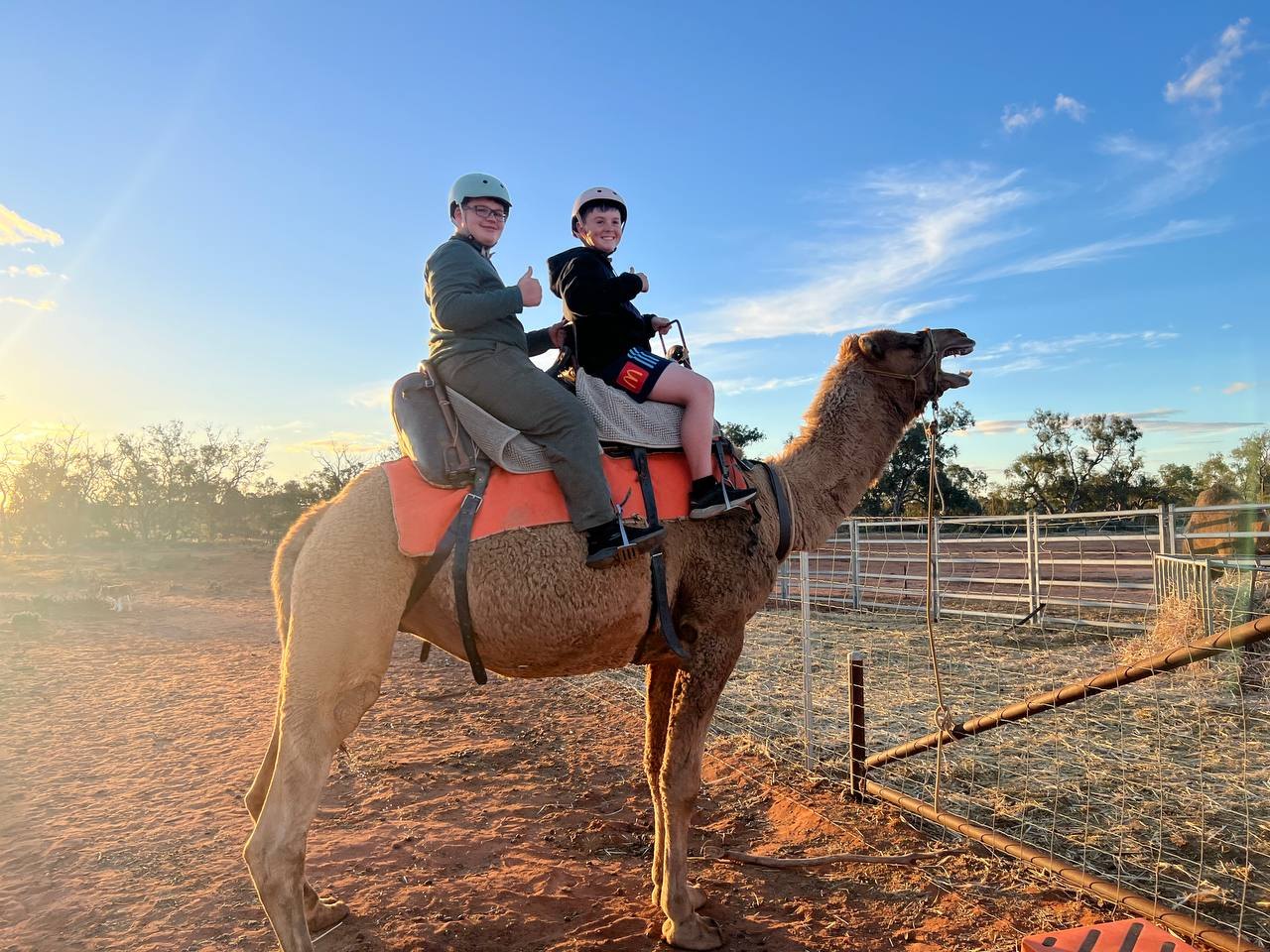 Two thumbs up. The camel's opinion is not recorded.
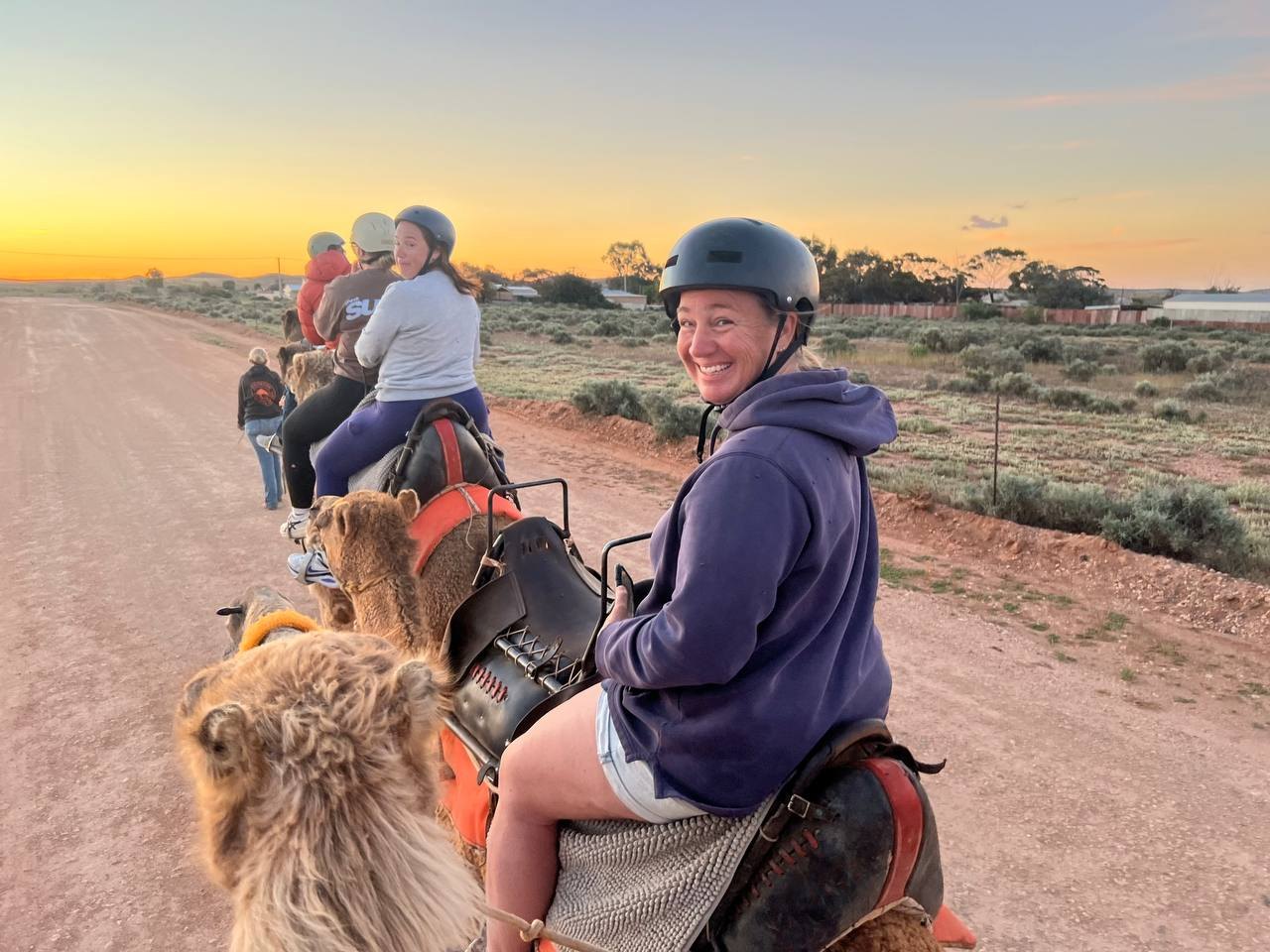 Golden hour, camel hour.
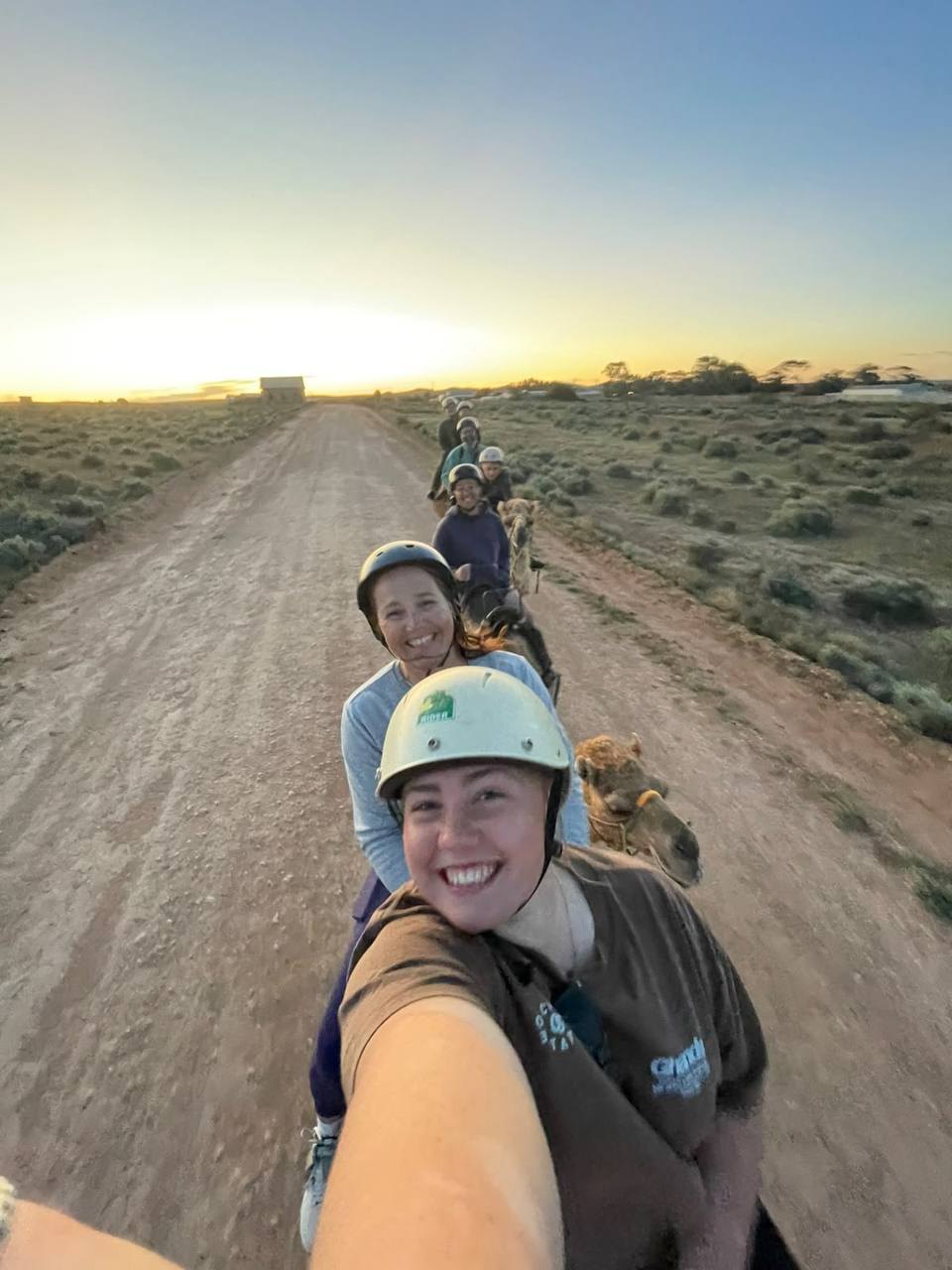 Looking back down the train.
The view from the back of the train: red dirt, long shadows, and the sun going down ahead.
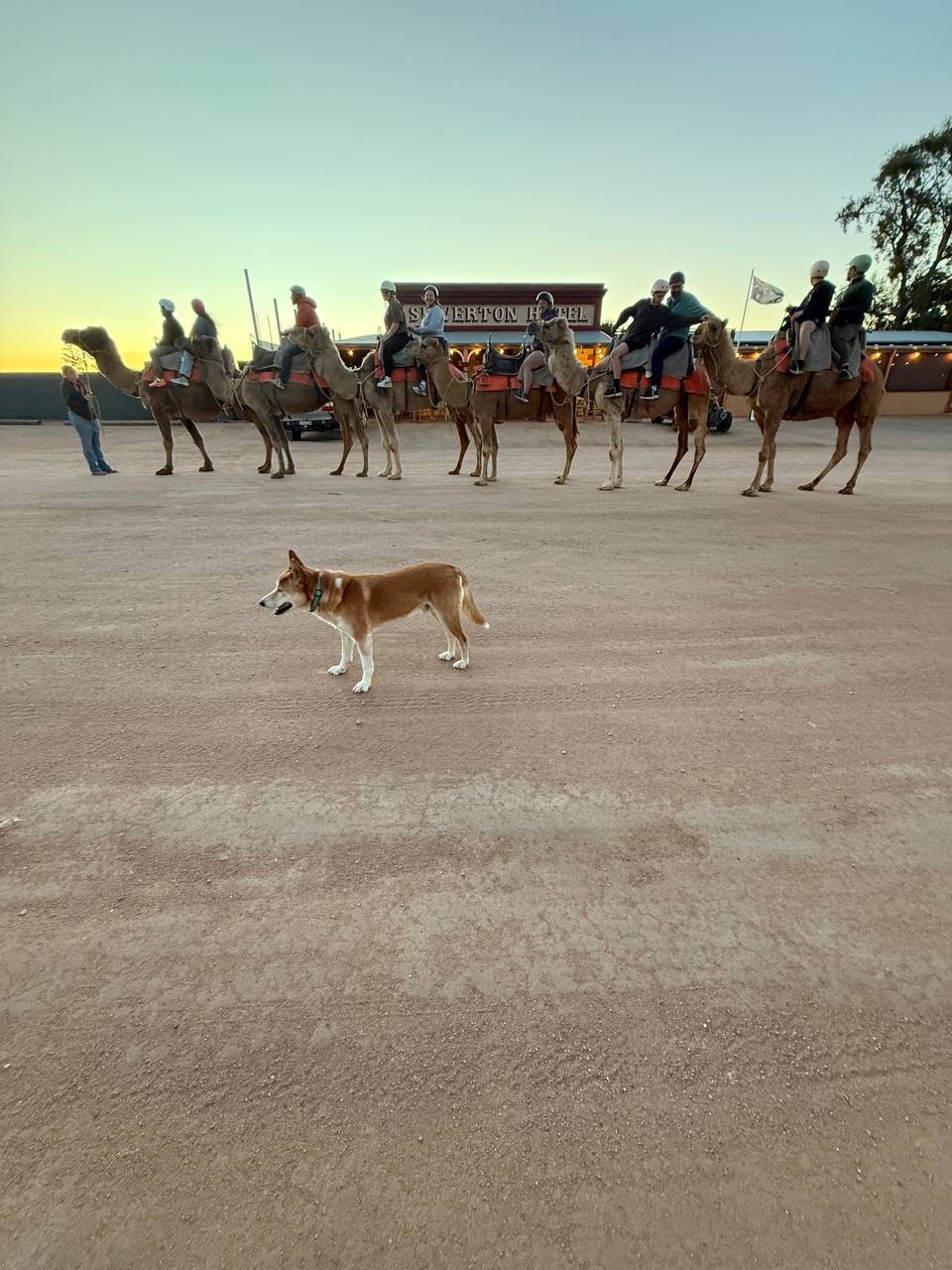 Past the pub, with a dingo supervising.
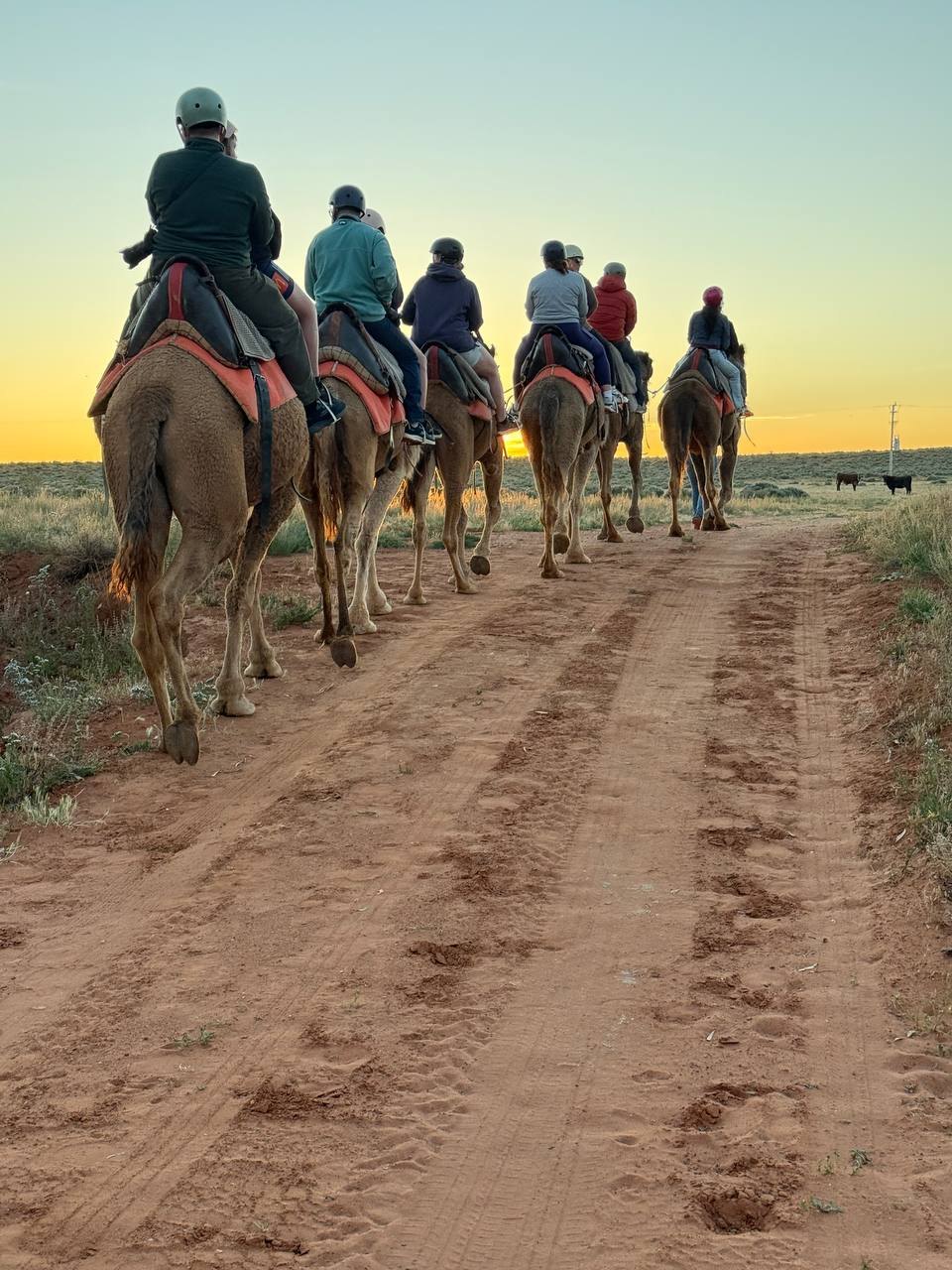 And into the sunset. Literally, for once.