The Living Desert
An extra day in Broken Hill, so we spent it looking at the town and its history from above. First stop was the Living Desert State Park, about nine kilometres north of town: a 2,400 hectare reserve with a flora and fauna sanctuary at its heart and a hill full of sandstone sculptures on its skyline.
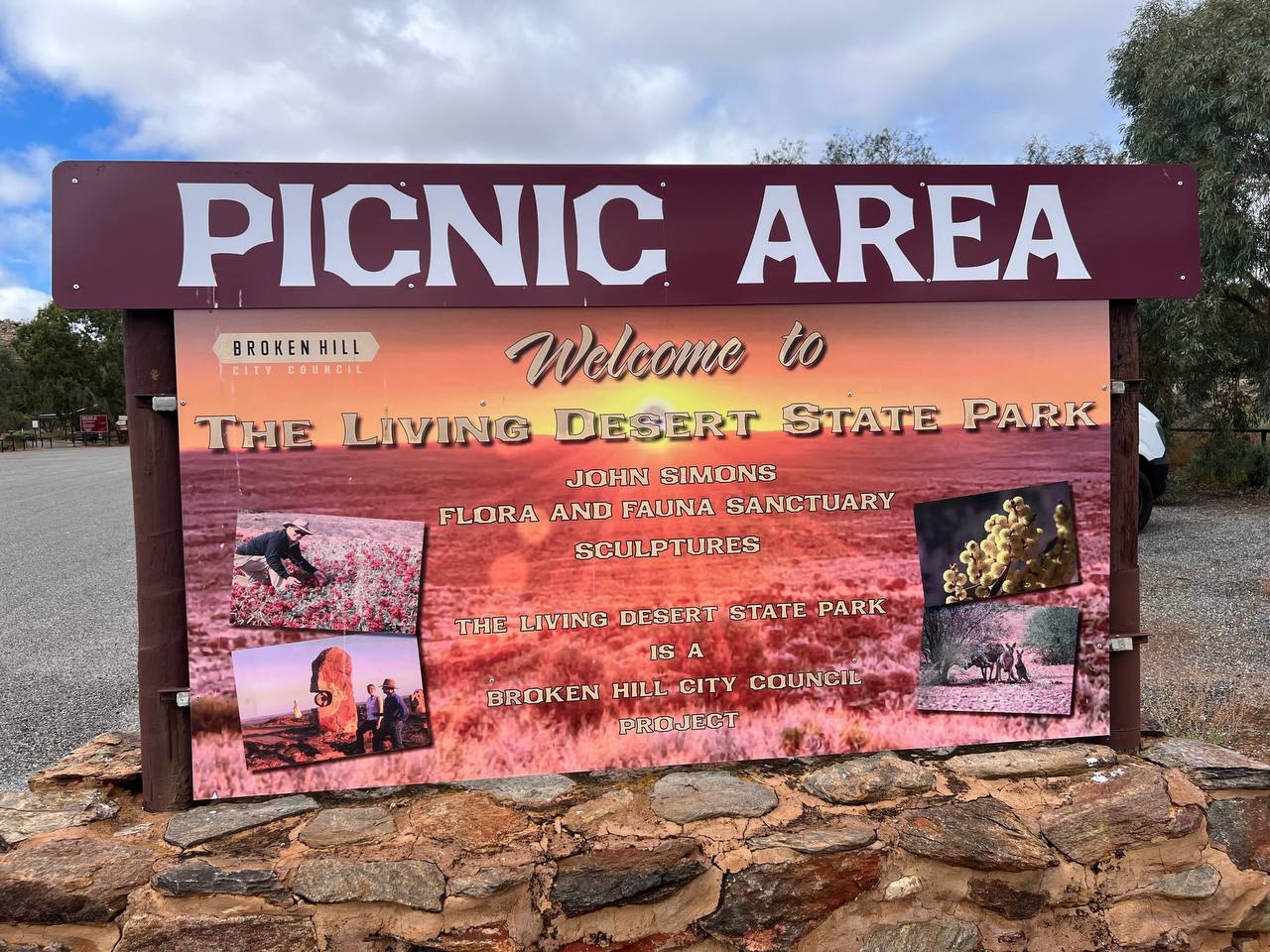 The Living Desert State Park. Picnic area, sanctuary, sculptures.
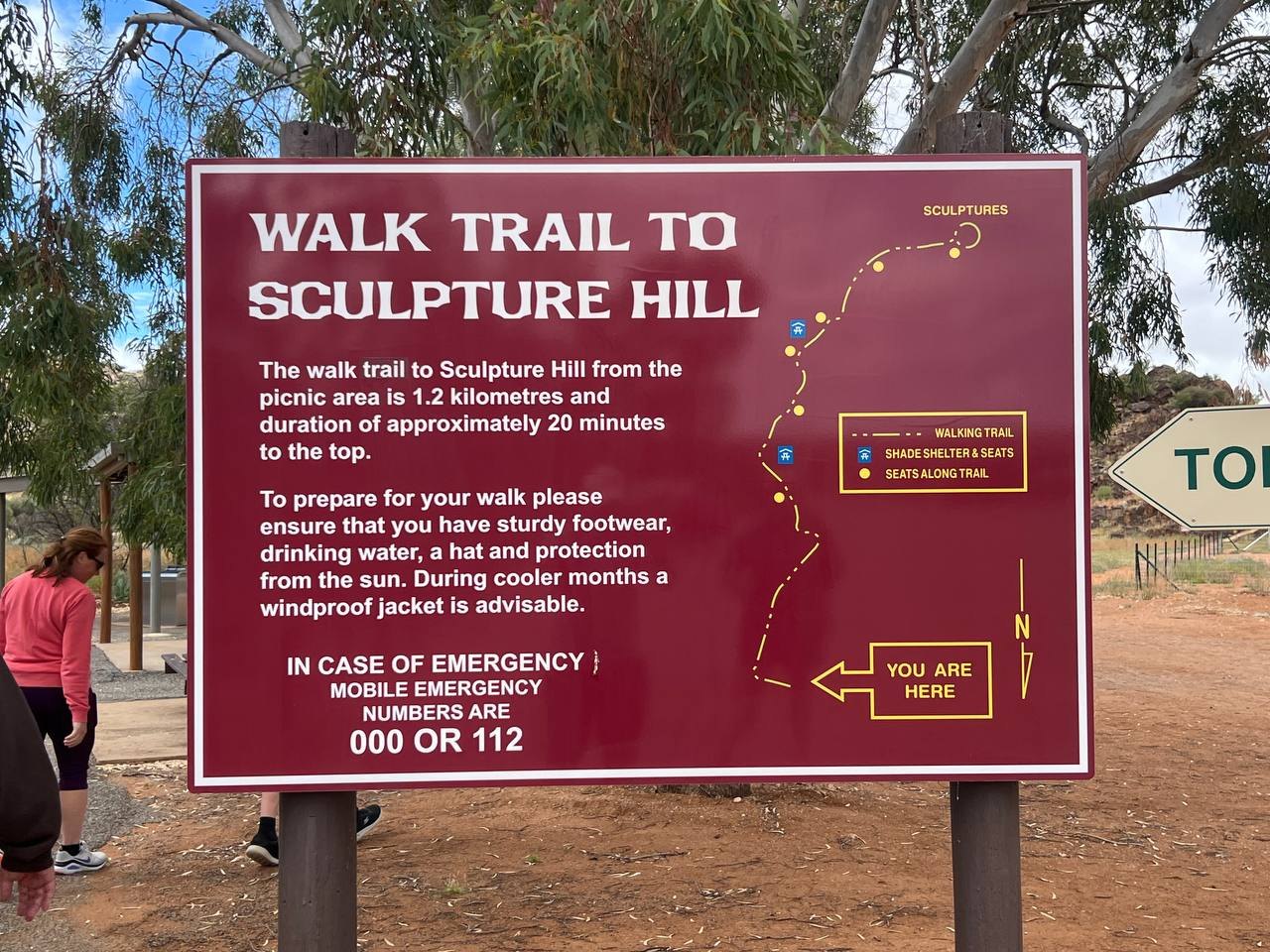 Twenty minutes to the top.
The walk up to Sculpture Hill is a signed 1.2 kilometre trail from the picnic area, through the sanctuary. The sanctuary is looking unusually healthy after the rain: green by Broken Hill standards, wildflowers in the rocks, and the locals out sunning themselves.
Why The Desert Needed Saving
The reserve is not just scenery. Broken Hill was founded in 1883, and between them the mine and the town stripped the country bare: timber went into the furnaces and boilers and onto household fires, cut for roughly fifty kilometres in every direction, and overgrazing did the rest. By the early 1900s the town was being buried. Dust storms rolled in off the denuded plains, sand drifts metres high piled up against houses, and people were shovelling their driveways clear or abandoning their homes altogether.
The fix came from Albert Morris, a mine assayer and self-taught botanist who had been arguing for regeneration reserves since the early 1920s. In 1936 the Zinc Corporation gave him his chance with a fenced trial plot, and the native vegetation came back on its own before the trees could even be planted. The mining companies and the council took up the idea and fenced a green belt around the city. Within two years the reduction in dust was obvious, and the project is now counted among the earliest examples of ecological restoration in the world. His wife Margaret ran the nursery and collected the seed, thousands of plants' worth.
The Living Desert Reserve, established in 1992, carries that work on. The sculptures stand on ground that was blowing away a century ago.
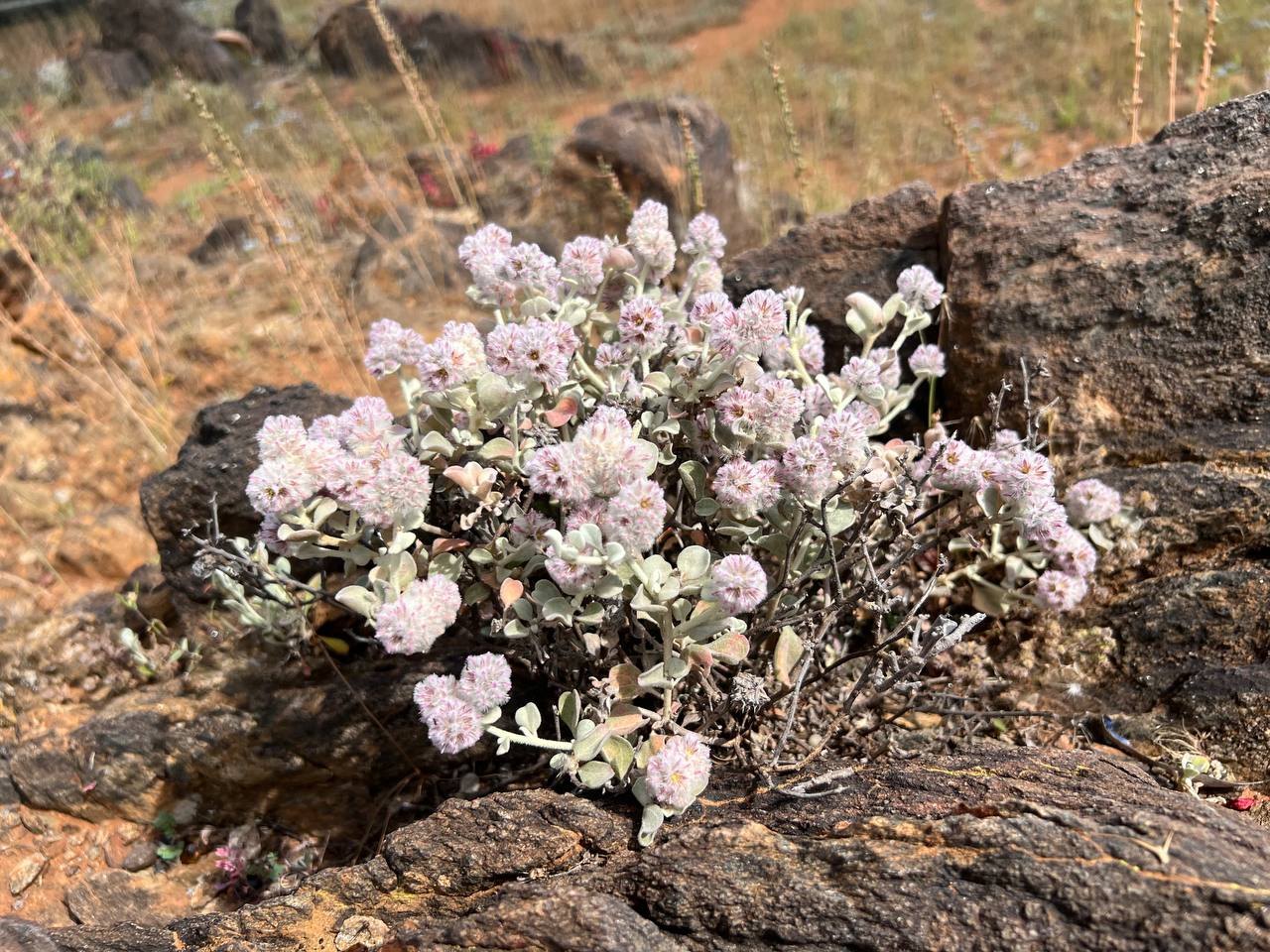 Mulla mulla, doing its thing.
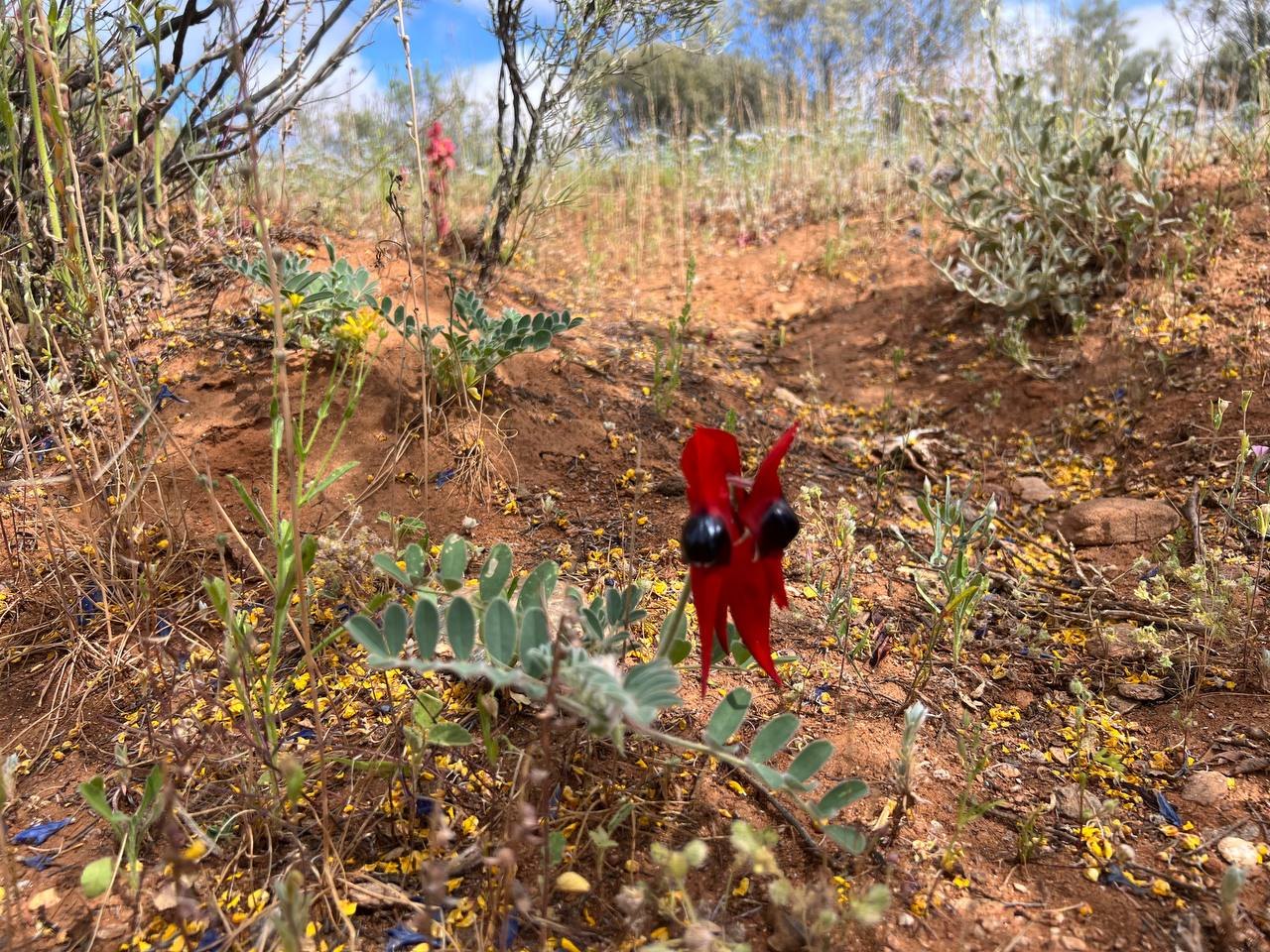 A Sturt's Desert Pea.
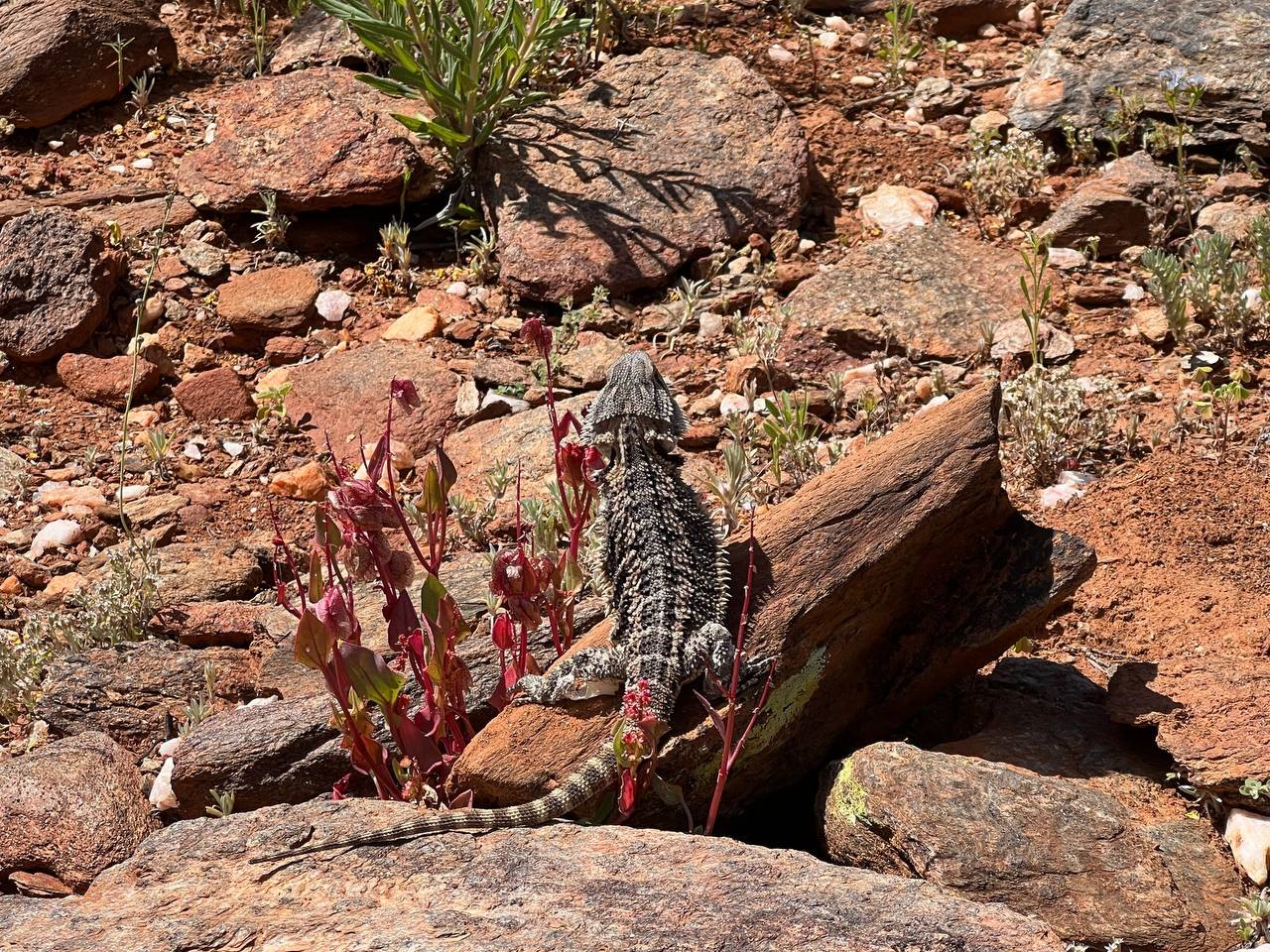 A local, unbothered.
The sculptures on the hilltop date from a single event: an international sculpture symposium that ran from 2 April to 23 May 1993, organised by artist Lawrence Beck on Sundown Hill, in the centre of the reserve. Twelve artists came from around the world, from Syria, Georgia and Mexico as well as Australia, and each carved a large sandstone work, with the stone trucked in from Wilcannia. The results still stand on the skyline, and each has a story: Broken Hill artist Badger Bates carved Nhatji, the Rainbow Serpent, and Beck's own contribution is titled A present for Fred Hollows in the Afterlife. Between the marker stone and some cross-checking against photos of the original works, nine of the twelve are identified in the captions below.
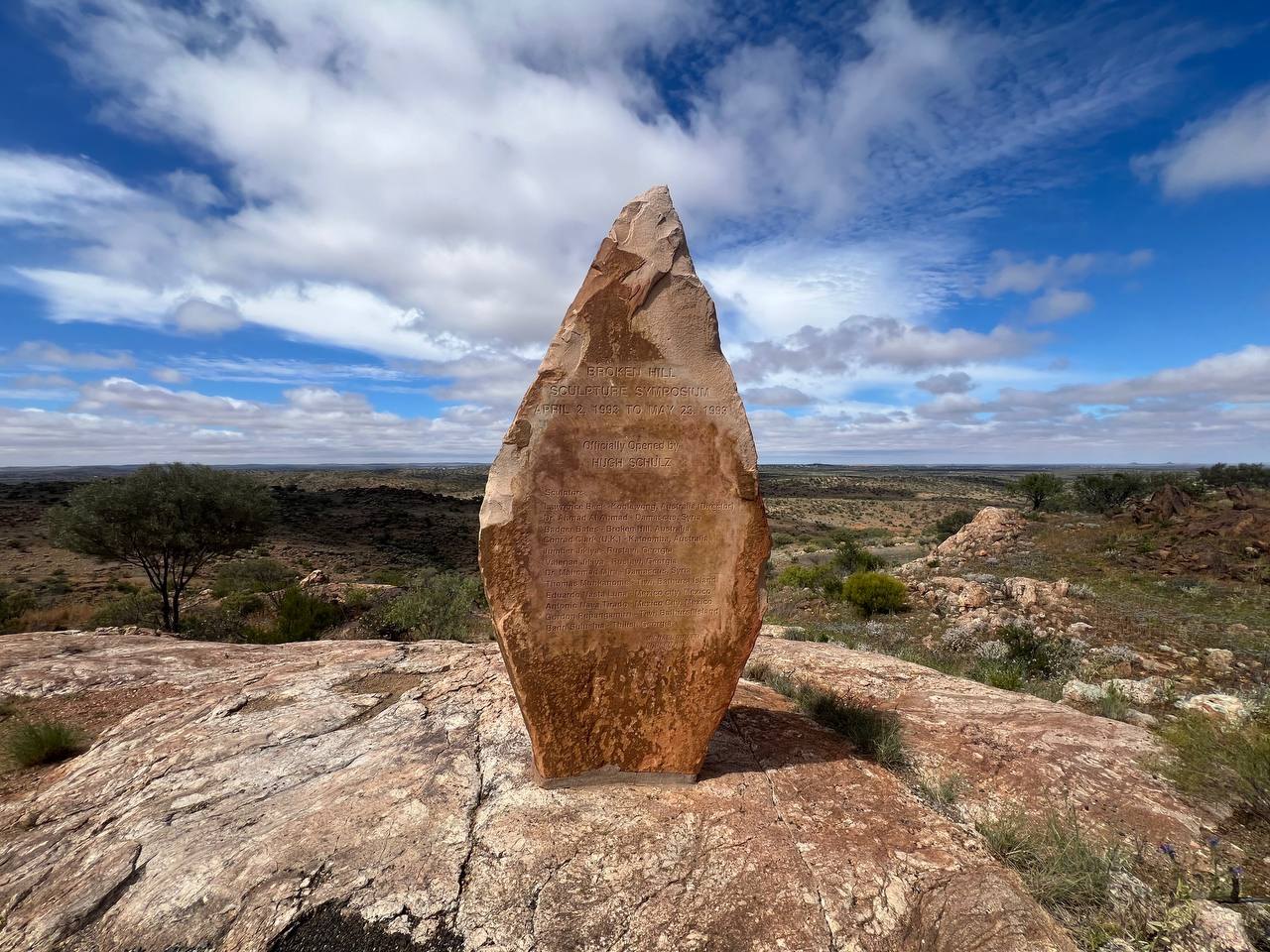 The symposium marker, with the dates and the artists.
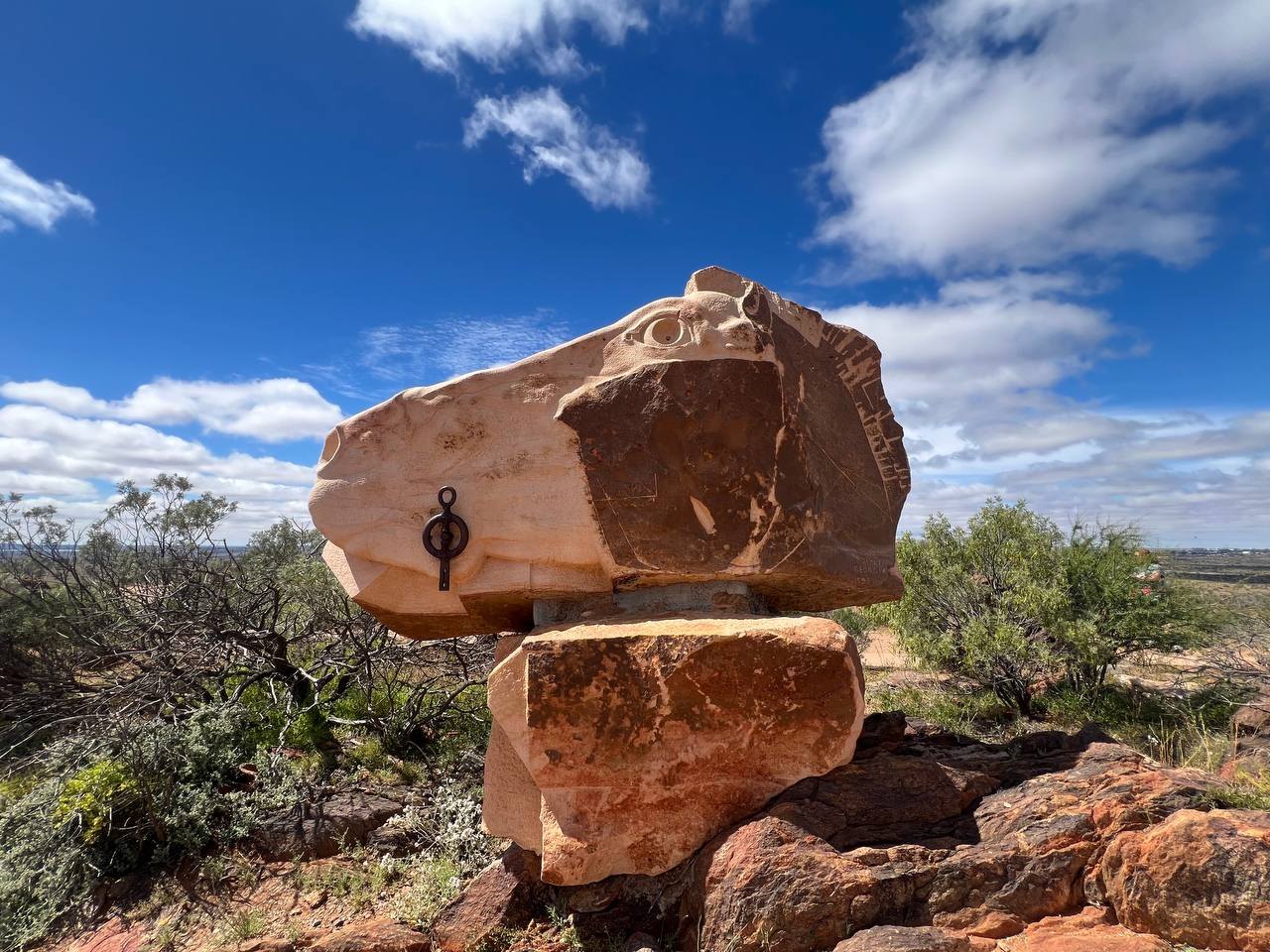 Horse, by Jumber Jikiya of Georgia. Hitching ring included.
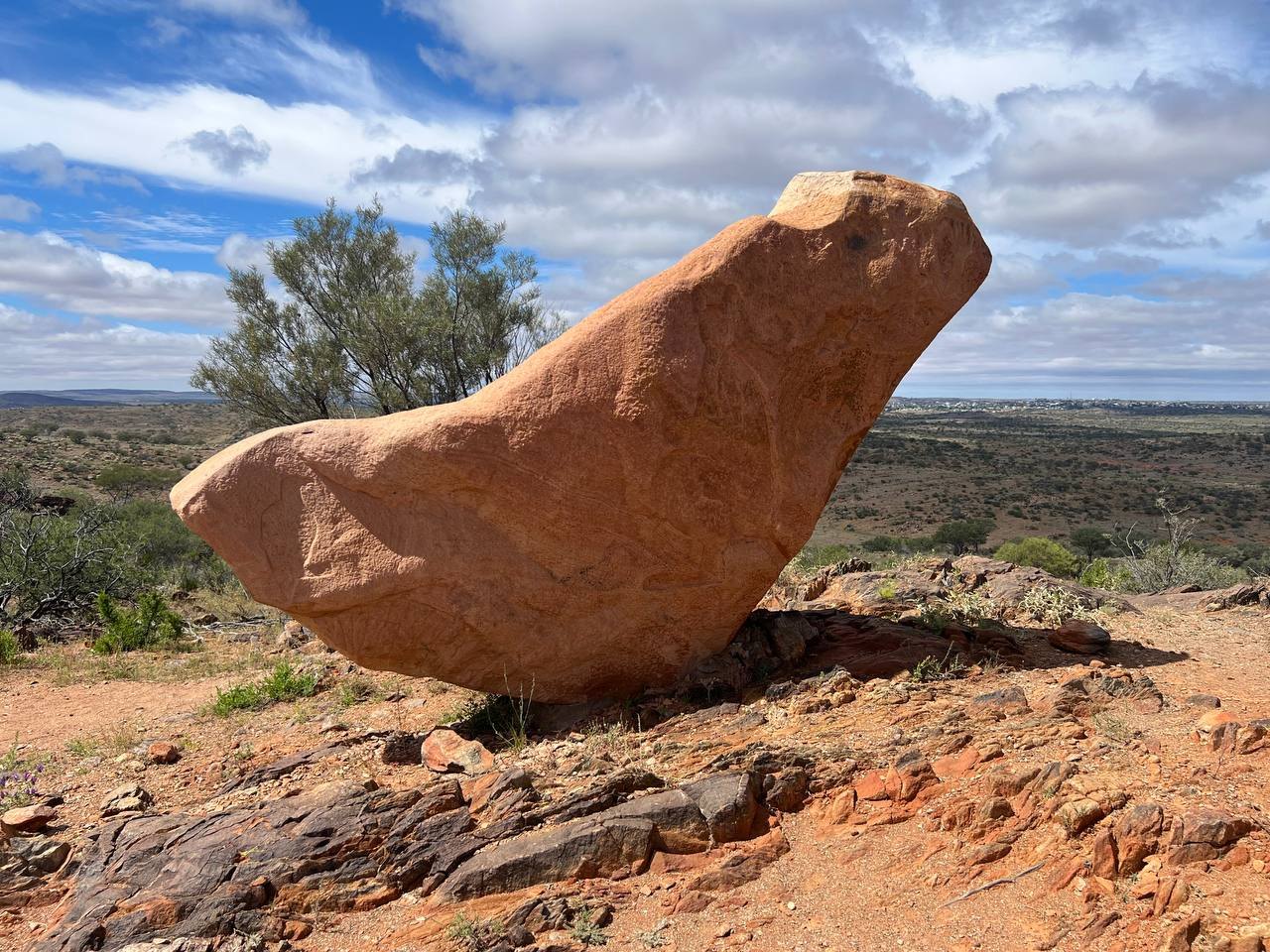 Officially this one is Habitat, by Ahmad Al Ahmad of Damascus. To us, a whale.
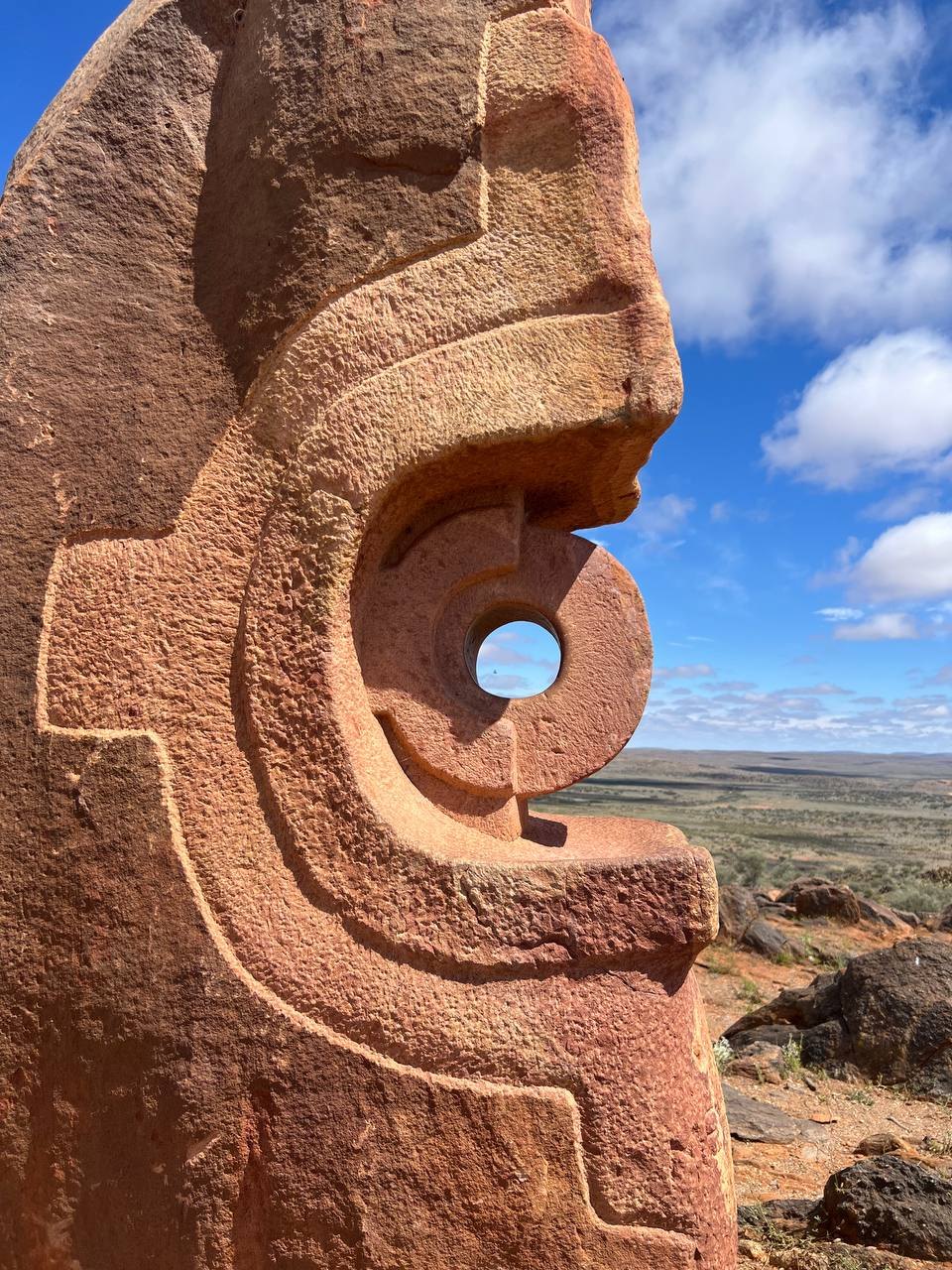 Bajo el sol Jaguar (Under the Jaguar Sun), by Antonio Nava Tirado of Mexico City. The sky is part of the composition.
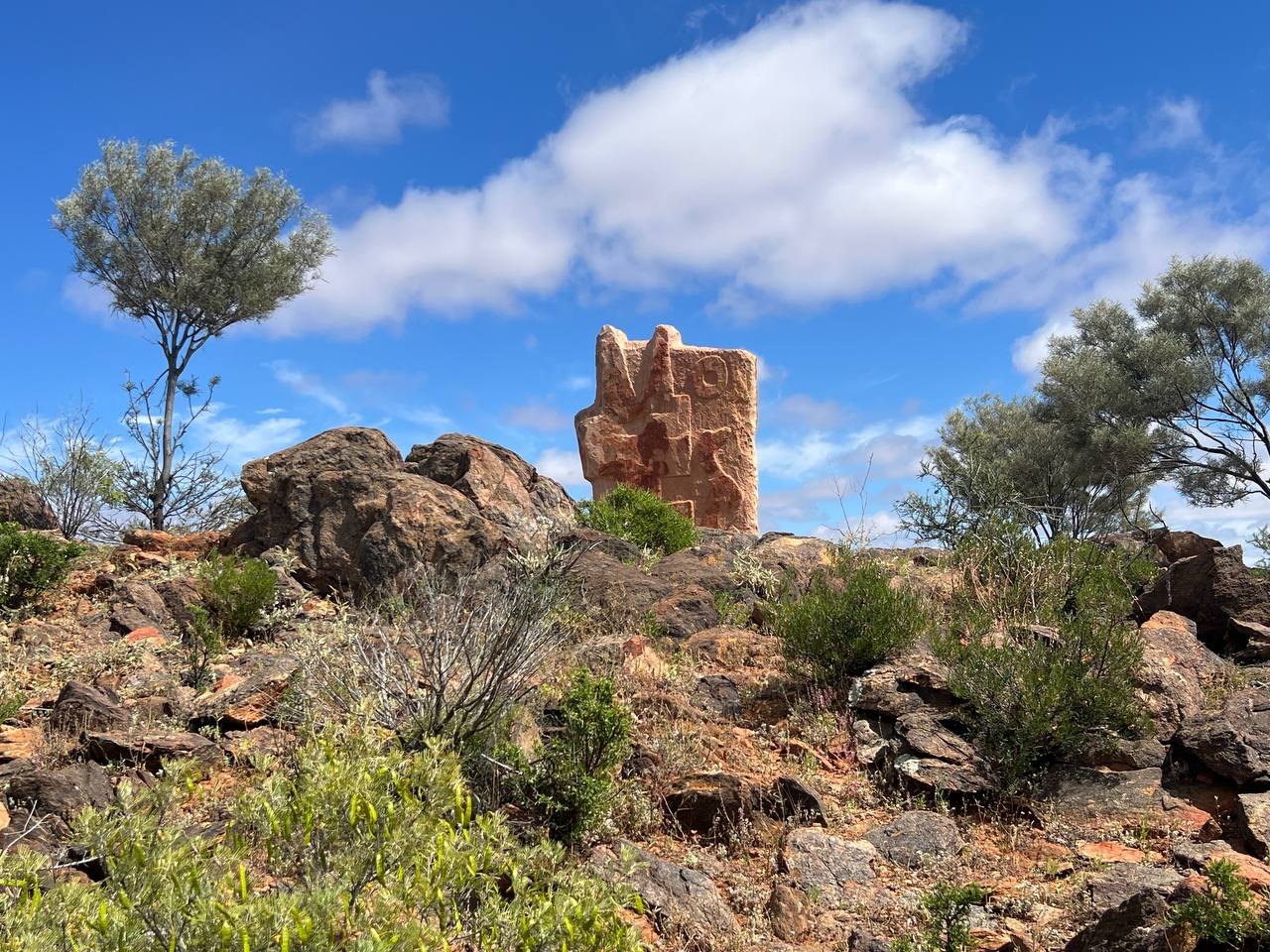 Tiwi Totems, by Gordon Pupangamirri of Bathurst Island.
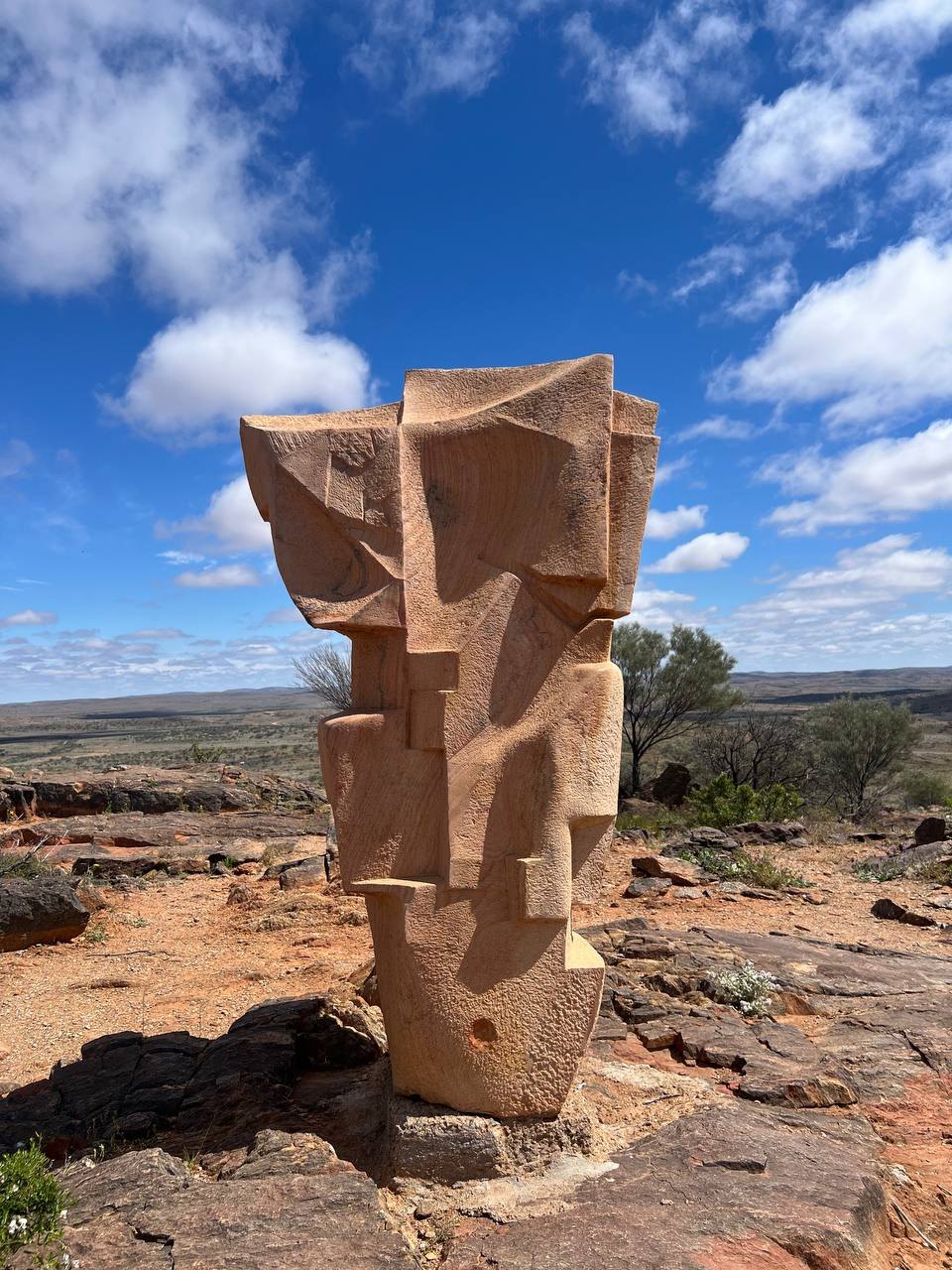 Angels of the Sun and the Moon, by Valerian Jikiya of Georgia.
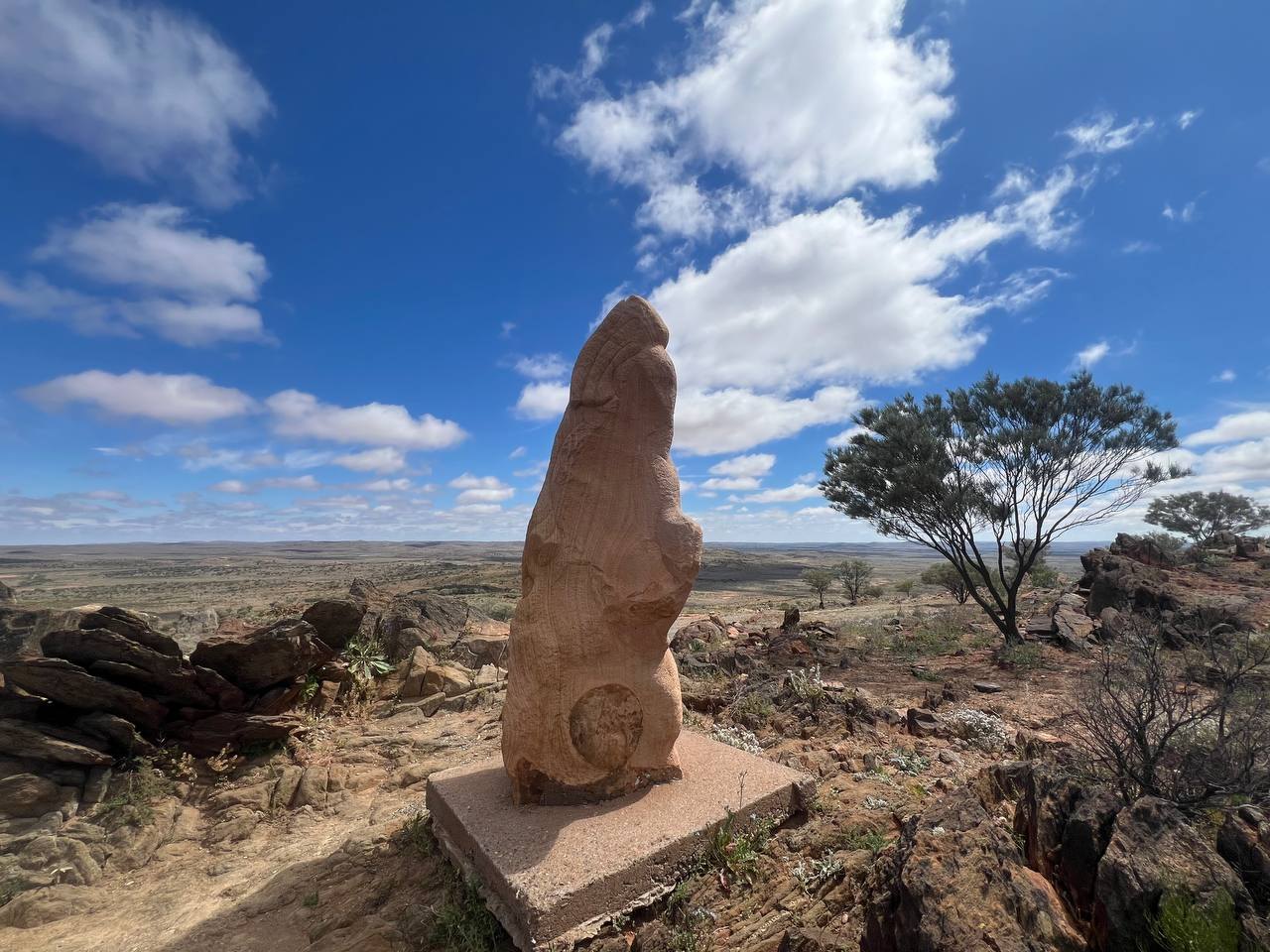 Moon Goddess, by Conrad Clark of Katoomba. The face at the base watches the walk.
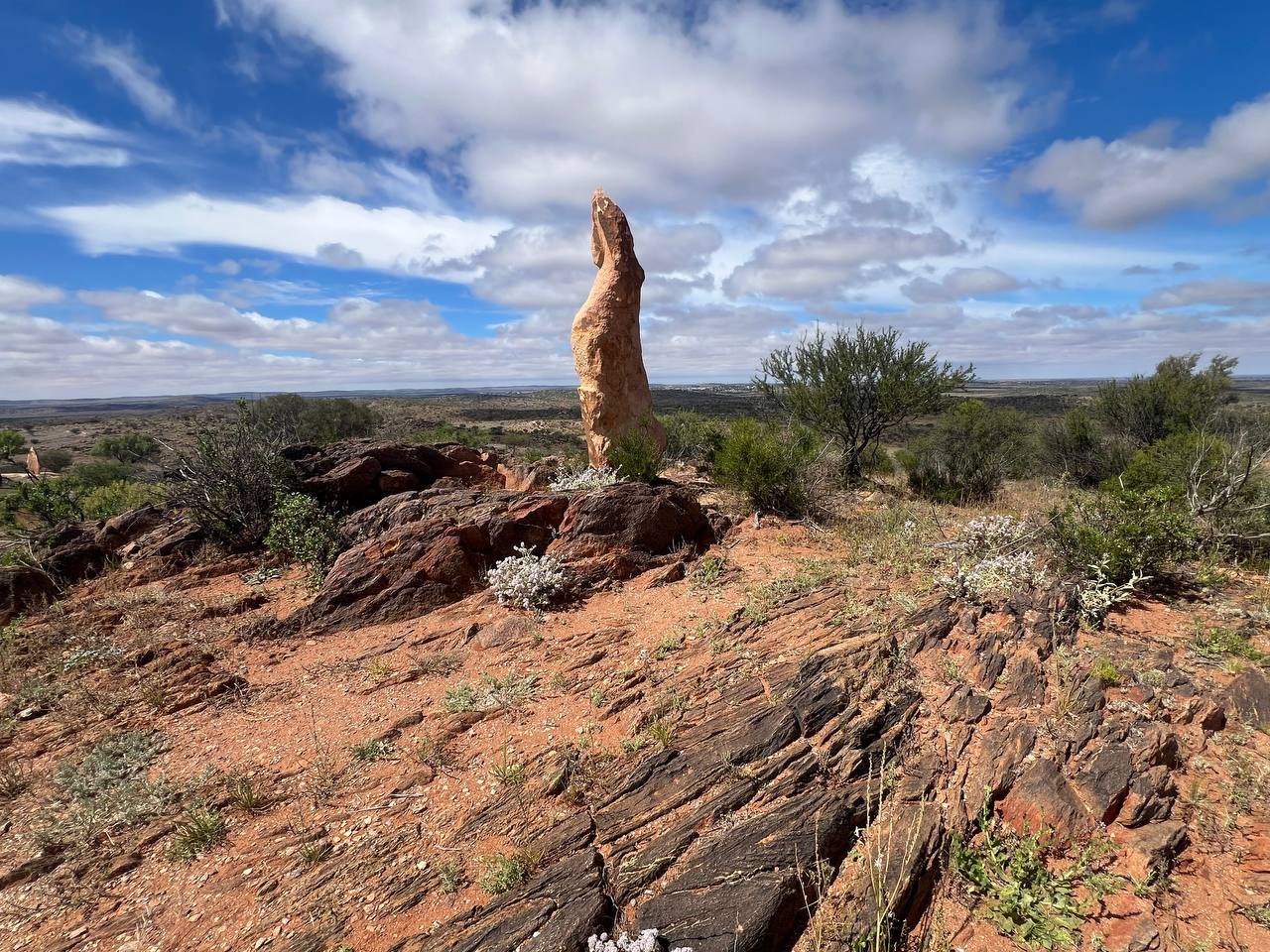 Thomasina: Jillarruwi, the Ibis, by Thomas Munkanome of Bathurst Island. The works blend into the rock they came from.
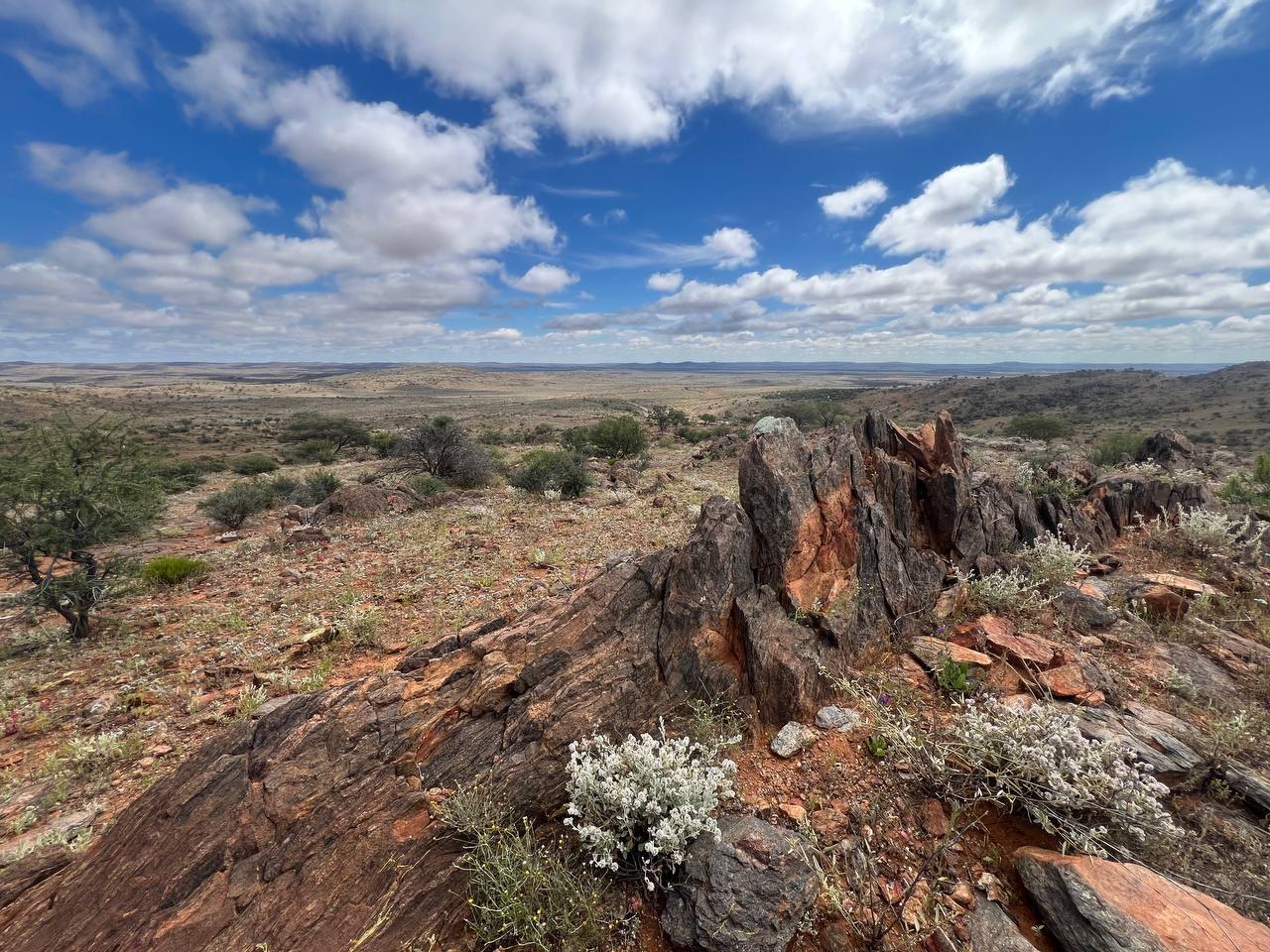 The Barrier country from Sculpture Hill.
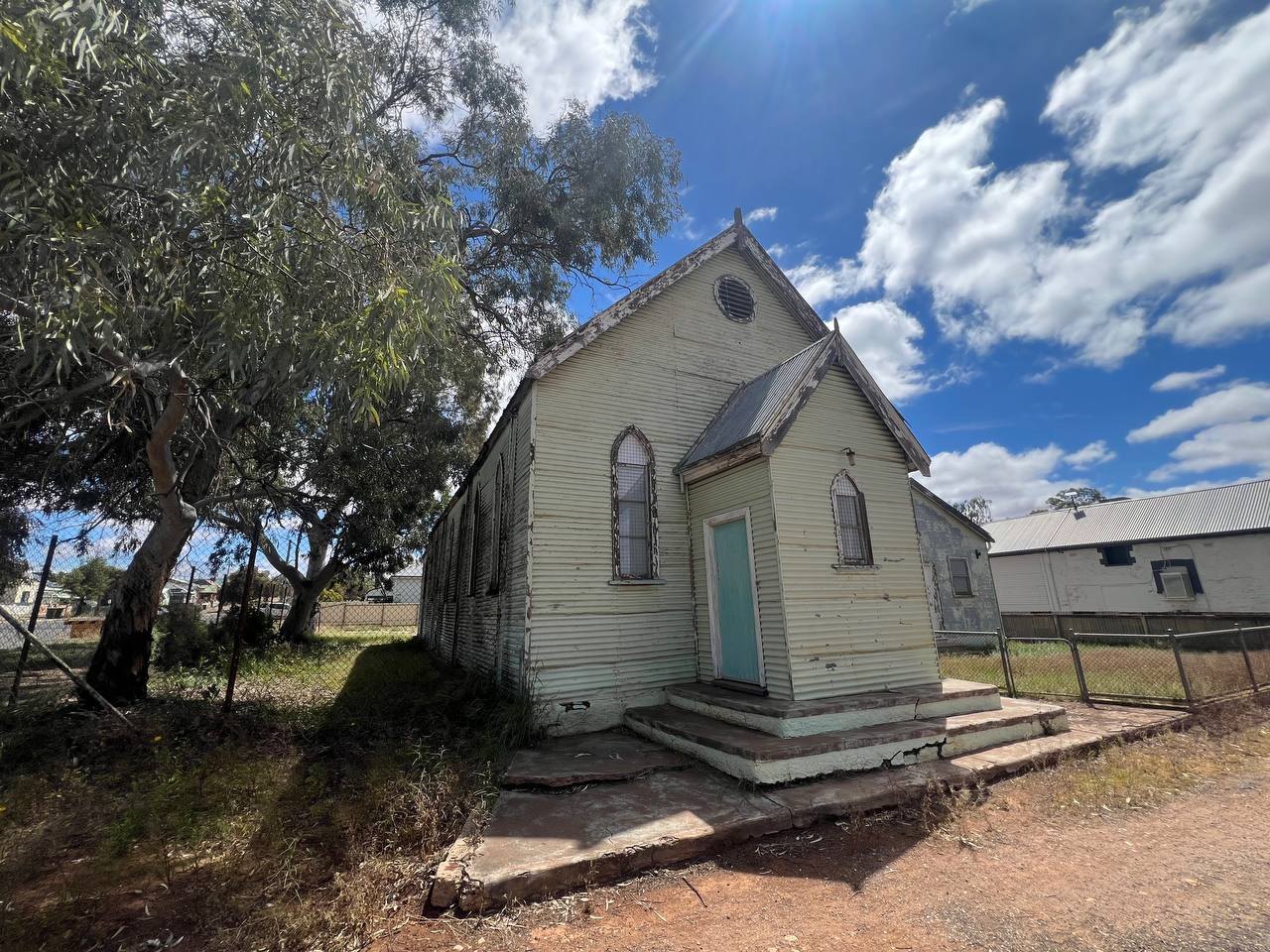 Not everything out here is a pub or a mine. This one caught my eye, it's not everyday you see a church made from tin.
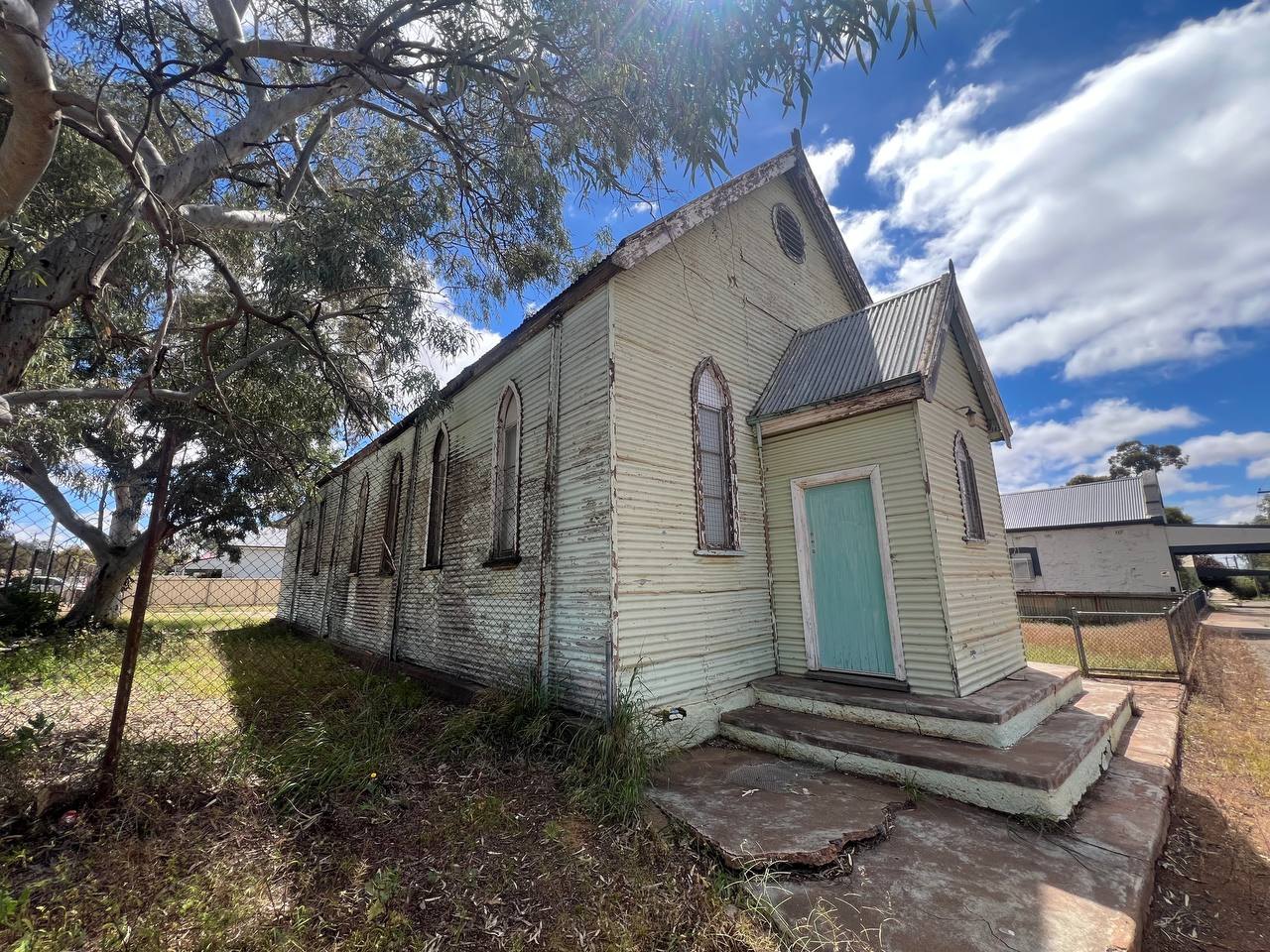 Gothic arches in corrugated iron.
Lunch at The Broken Hill Pub
Lunch was at The Broken Hill Pub, on the corner of Argent and Oxide Streets in the middle of town. It trades on its initials these days: The BHP, which is no accident in the town where the real BHP was born. The pub has been on that corner since 1886, which makes it the longest-running pub in Broken Hill. Over the years it has been The Broken Hill Hotel, The West Darling Hotel and The Freemasons Hotel, before coming back around to the straightforward name it wears now.
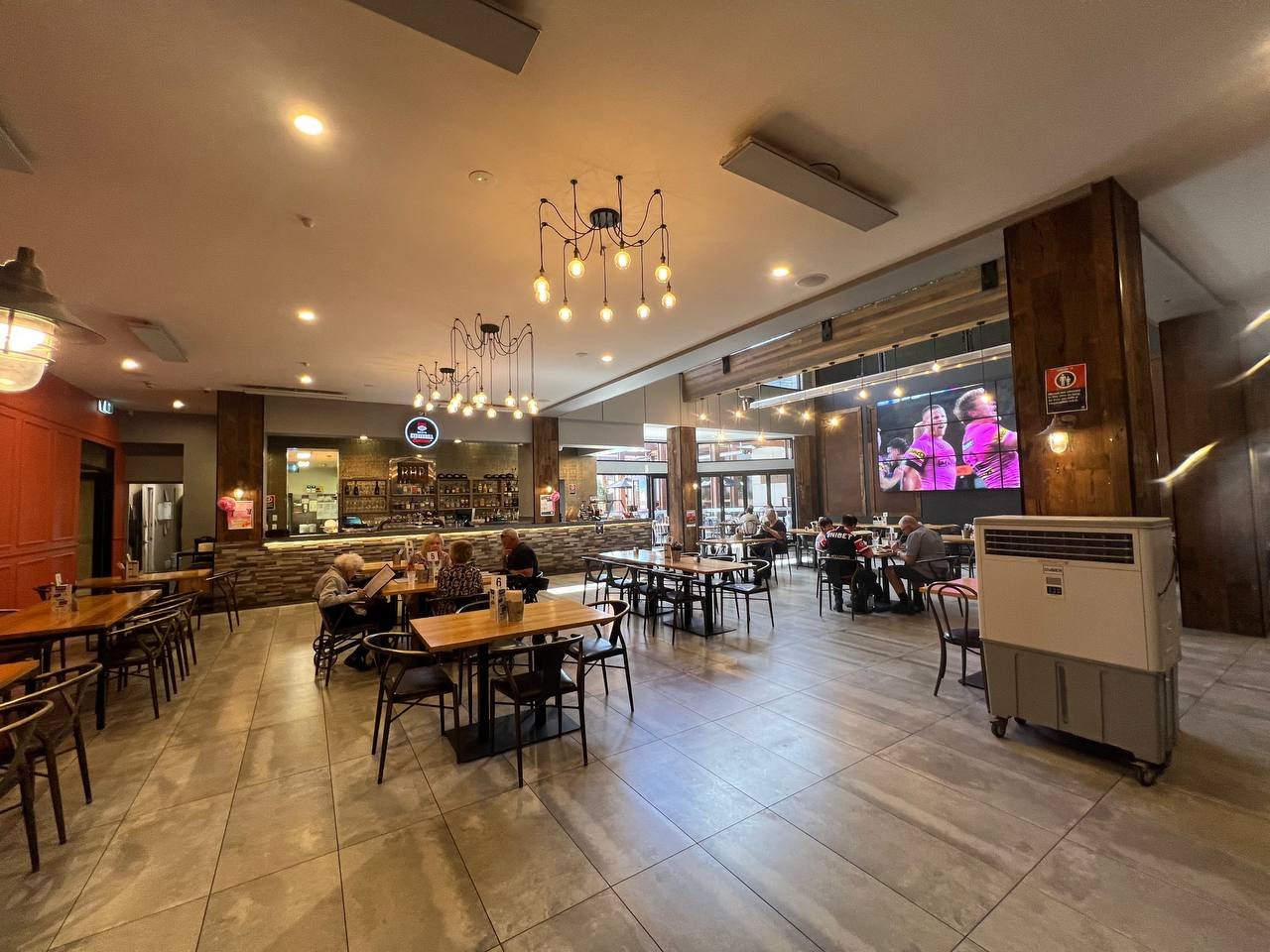 Inside The BHP. Good lunch.
The Line of Lode
Broken Hill exists because of the Line of Lode: the line of silver, lead and zinc ore that runs straight through the middle of town. The waste from more than a century of mining it has been piled into a mullock dump running along the same line, and the top of that dump is now the best vantage point in the city, shared by a lookout and the miners memorial.
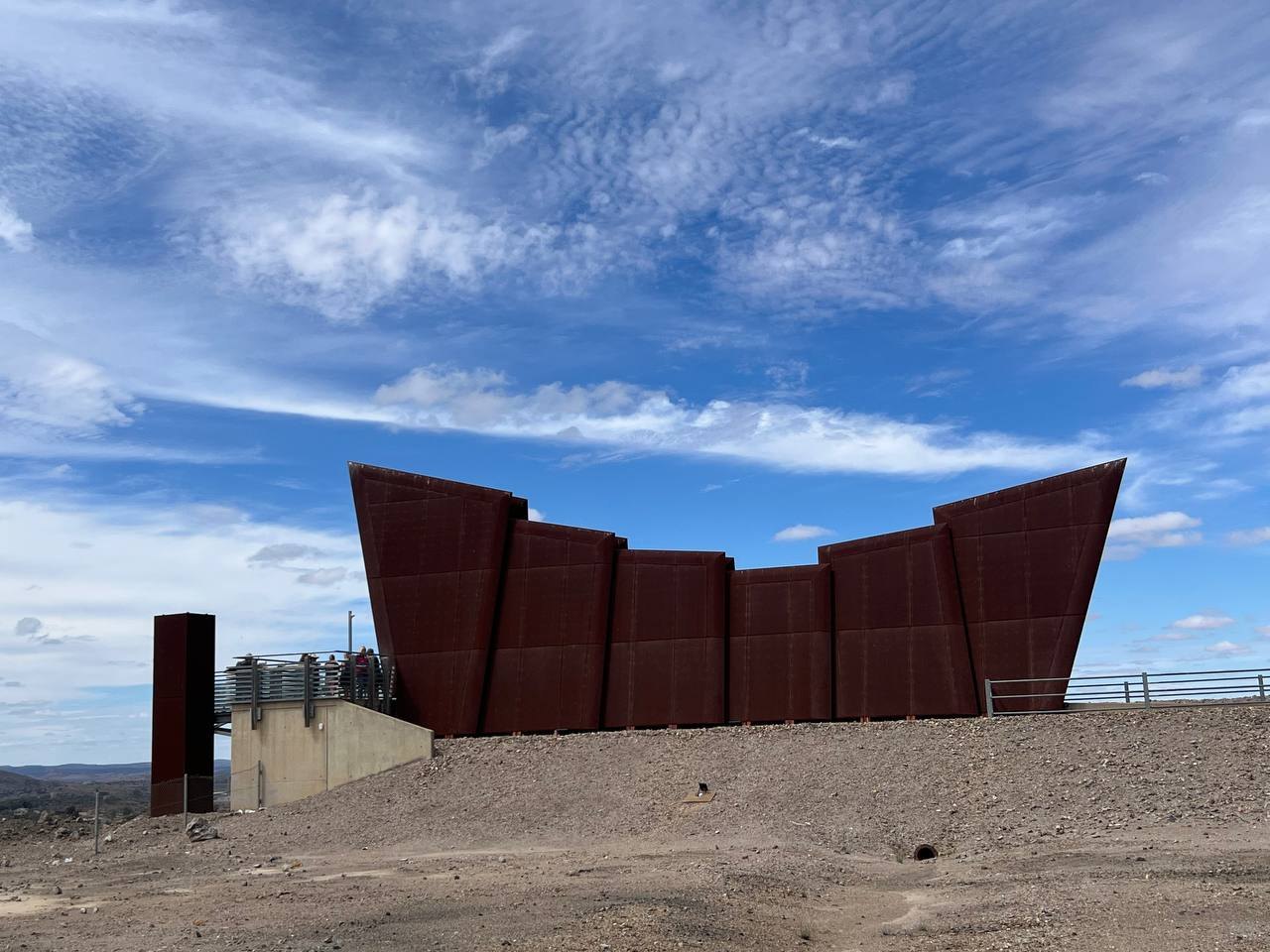 The memorial from the ramp up.
The memorial opened in 2001: high walls of rust-red weathering steel, with freestanding glass panels inside etched with the name of every miner known to have died in Broken Hill's mines. More than 800 names, each with the year they died, their age, and how it happened. The records start in the 1880s and the early panels are crowded: falls of ground, rockfalls, explosions, men in their twenties and thirties. What stays with you is how quickly the names thin out as you walk through the decades, until the last thirty years hold only a handful. It reads like a graph of what improved safety actually means, written in the lives of the men who did not get the benefit of it.
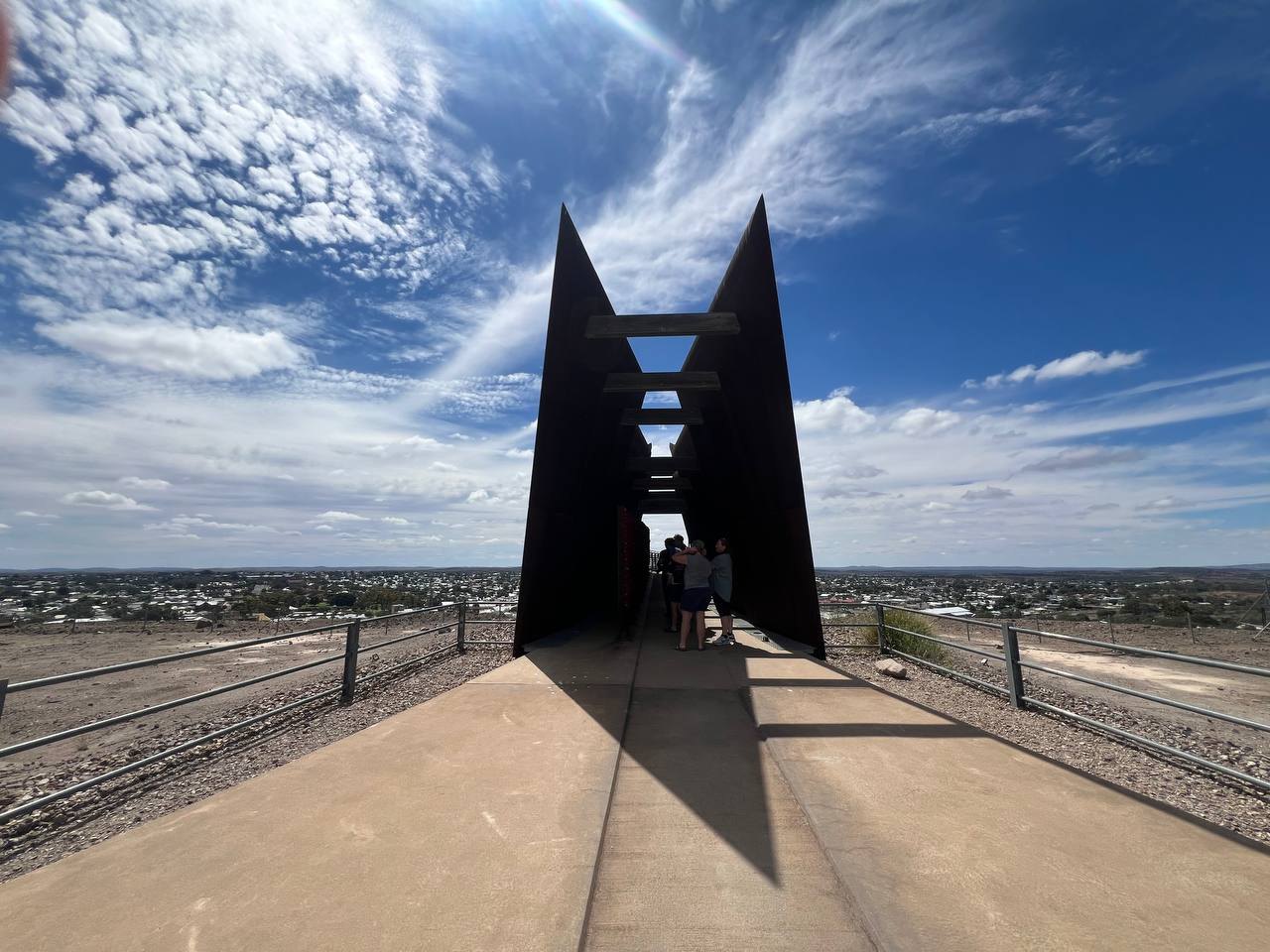 Inside the memorial.
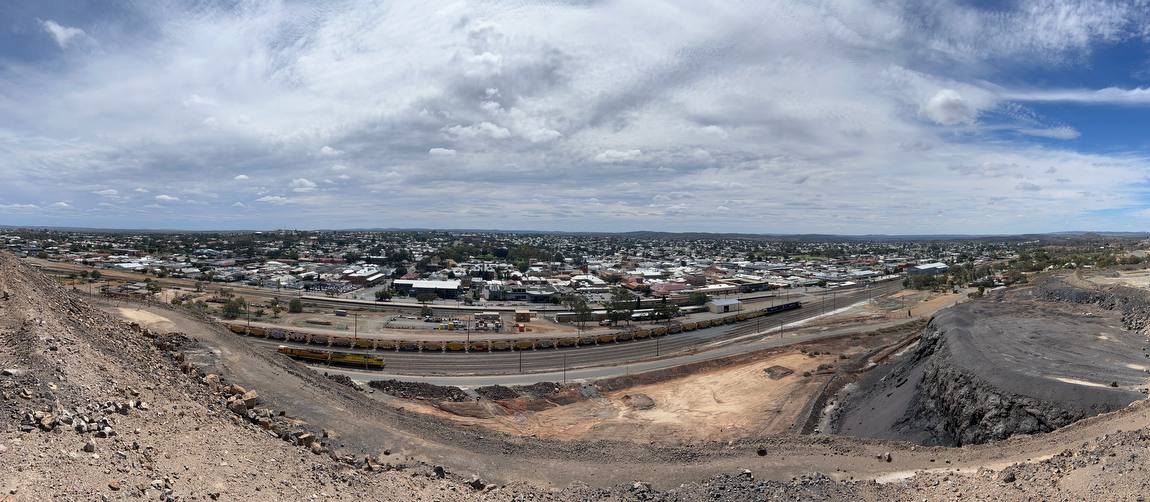 Broken Hill from the top of the lode, with a freight train working through.
The hilltop still wears its working past. A set of shaft cages stands on the skyline, the lifts that once took the men down into the stopes below.
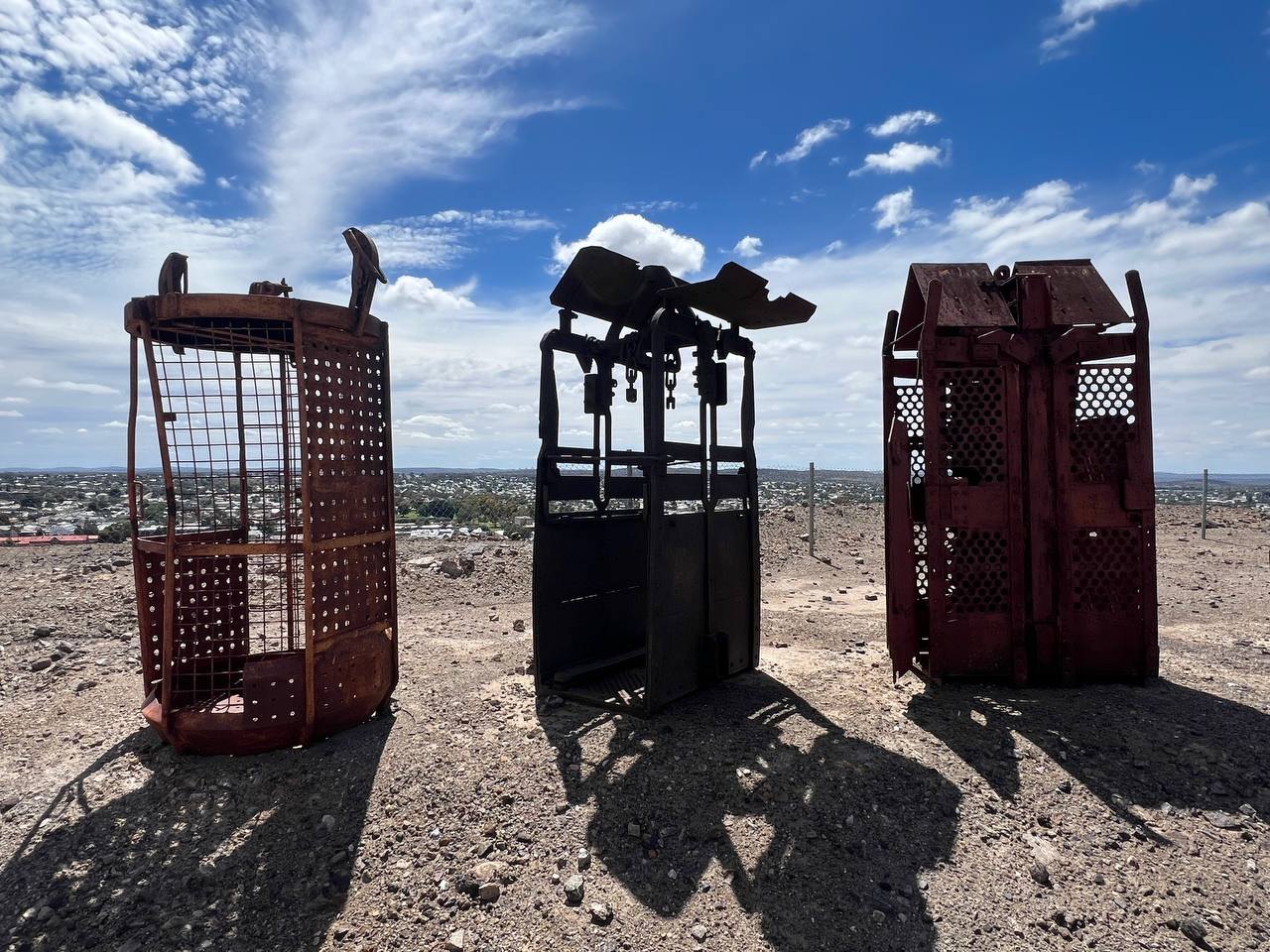 Shaft cages, retired.
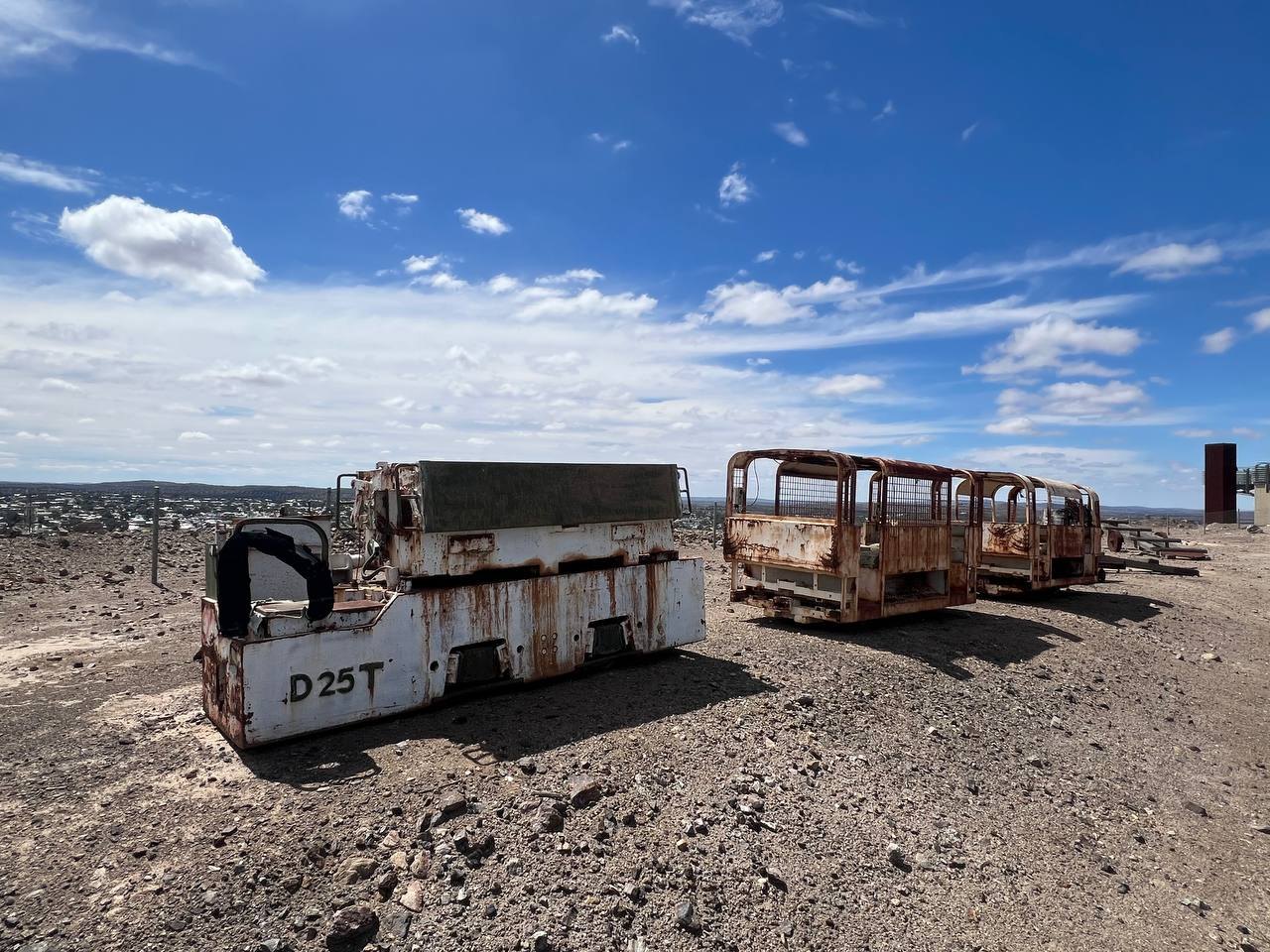 A little yellow mine loco with its crew cars.
And below the lookout, the remains of the old leases are still standing, more or less.
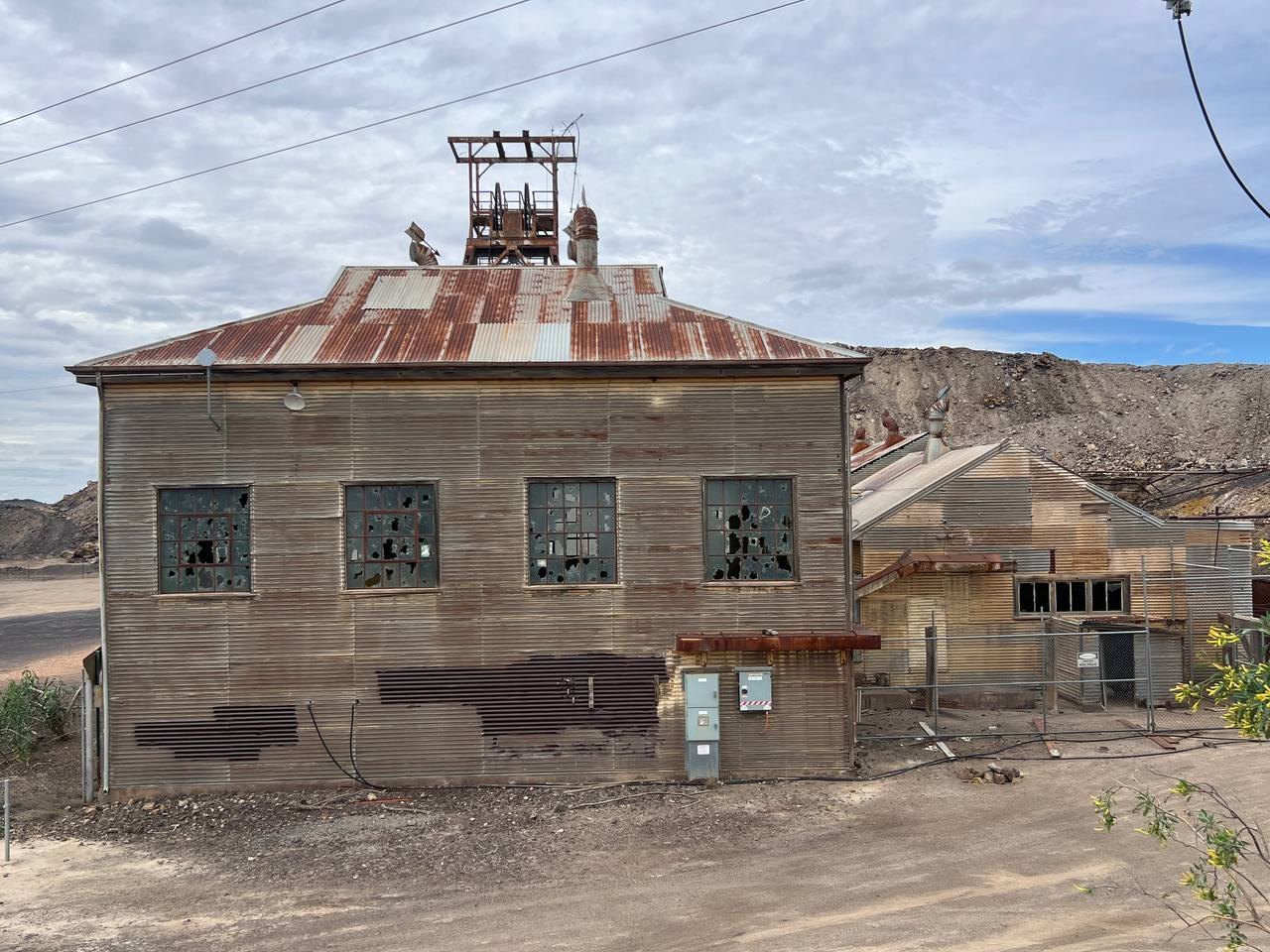 The old BHP mine, on the way up to the visitors centre.
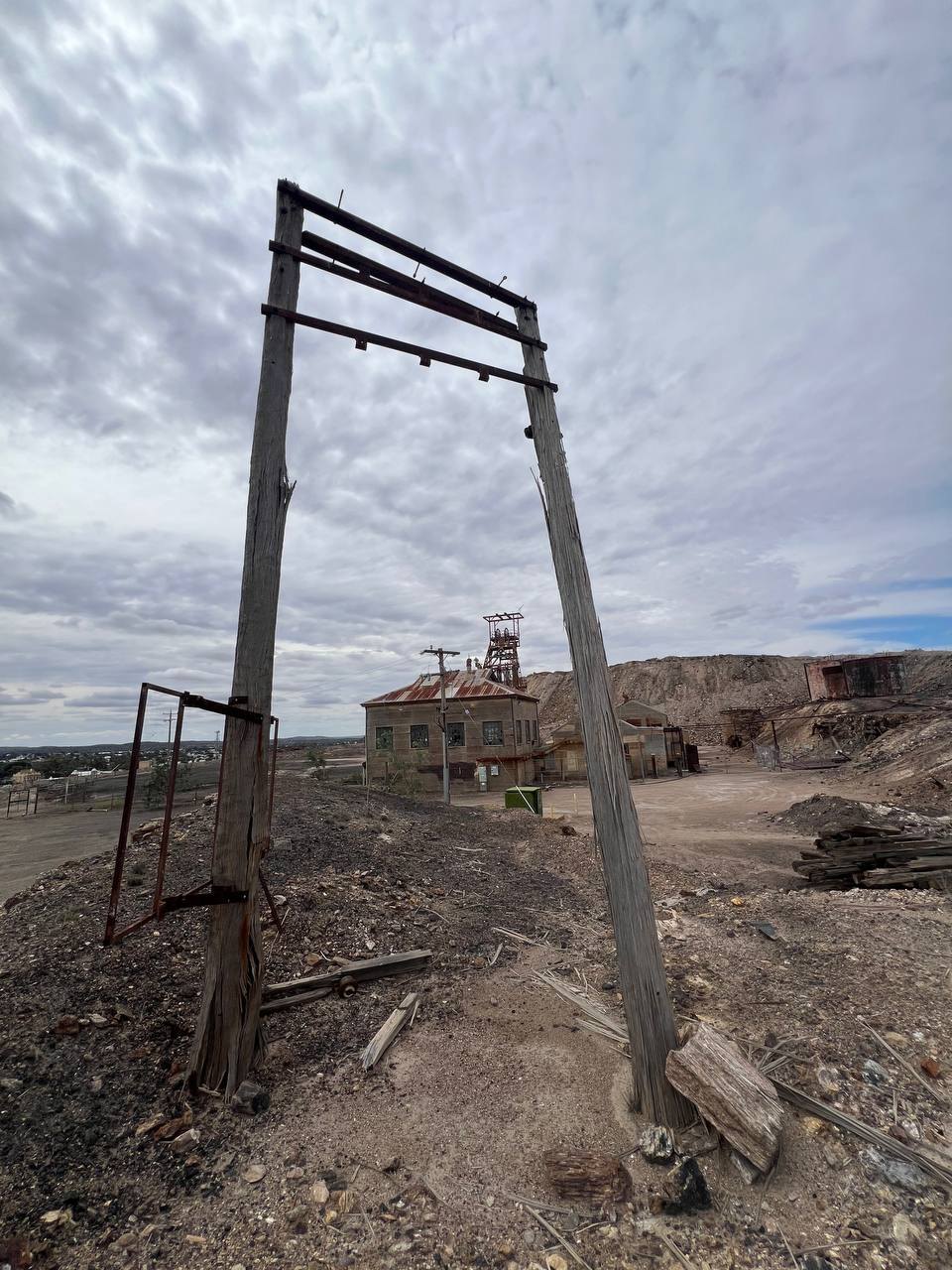 The surface remains of an old lease, being slowly taken back.
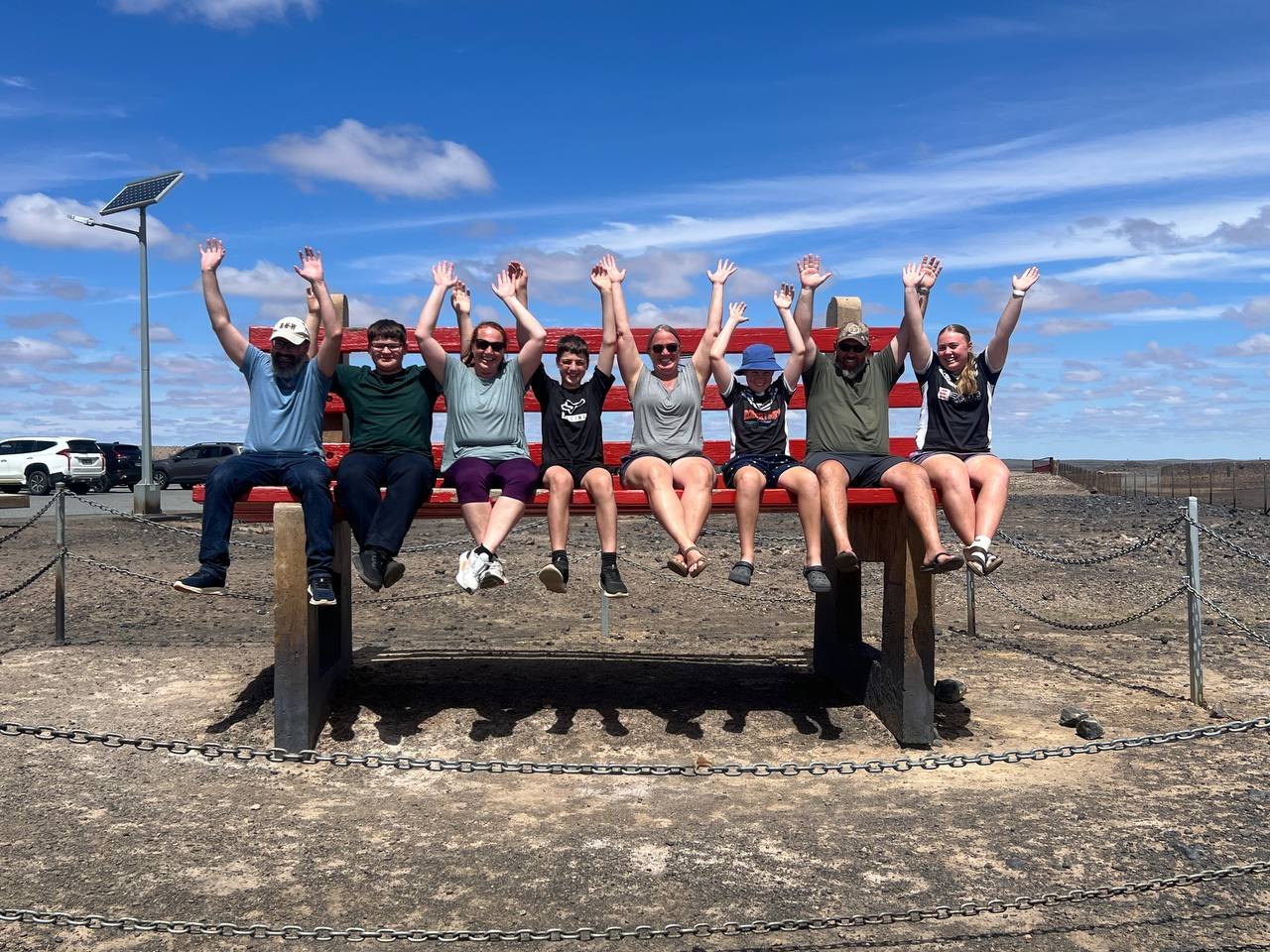 The whole crew on the Big Bench.
The Big Picture
We finished the day at the Silver City Mint and Art Centre, which does two things under one roof: it is a working chocolate factory, and it houses The Big Picture.
The Big Picture is exactly that. Local artist Peter "Ando" Anderson spent two years painting a single acrylic canvas that runs 100 metres around the room and stands 12 metres high at its tallest point. It is the world's largest acrylic painting on canvas by a single artist, and it depicts the outback around Broken Hill: lightning strikes, dust storms, mountain ranges and a saltbush plain, wrapped around you in a full circle. A sculpted desert floor runs out from the base of the canvas, so the real stones and spinifex in the foreground dissolve into the painted distance. Ando apparently kept count as he went: by one tally the finished work contains some 20,000 trees, 1,500 hills and 3,000 clouds.
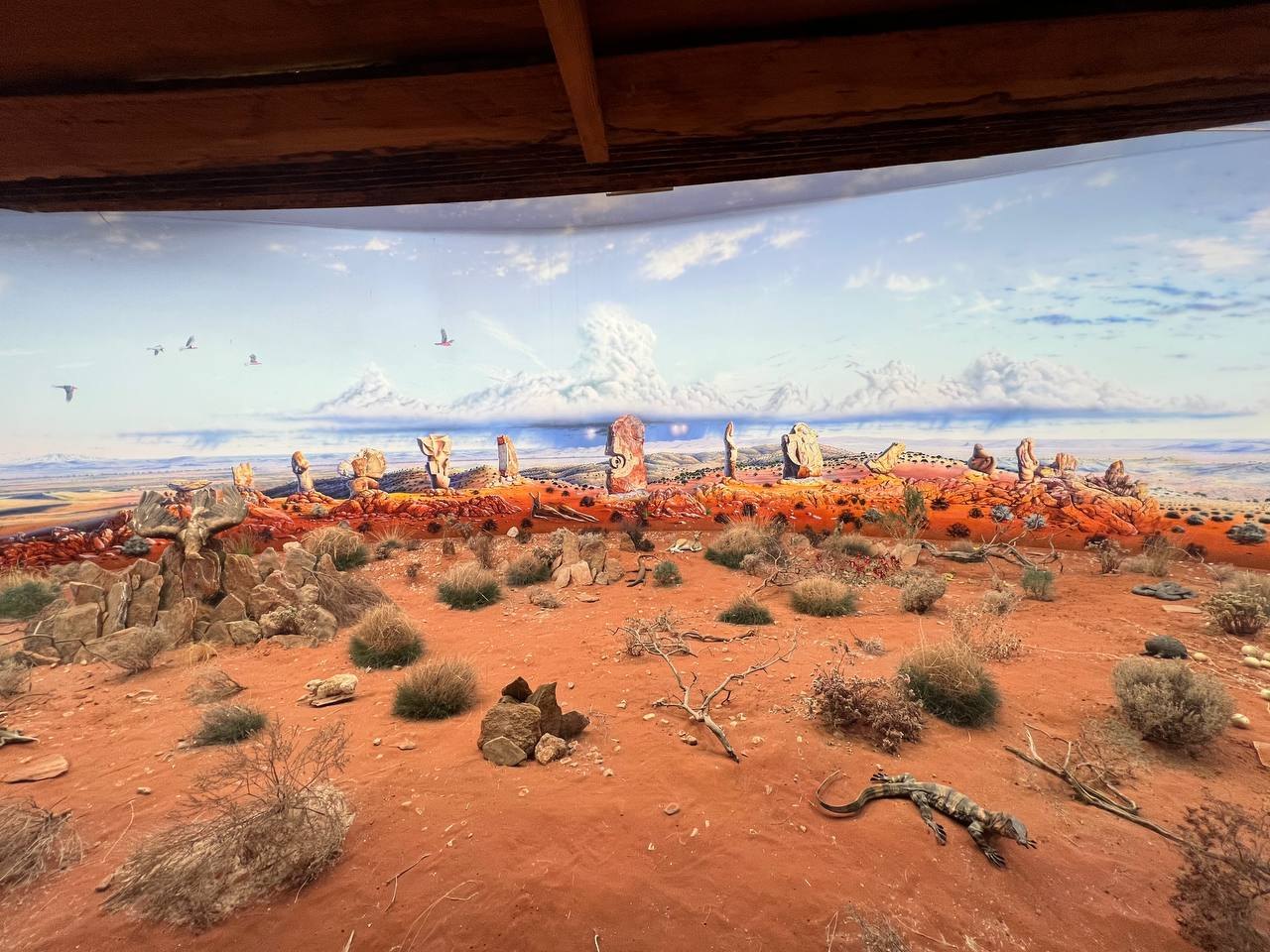 The Big Picture, from the viewing platform. The desert floor in front is real; the horizon is paint.
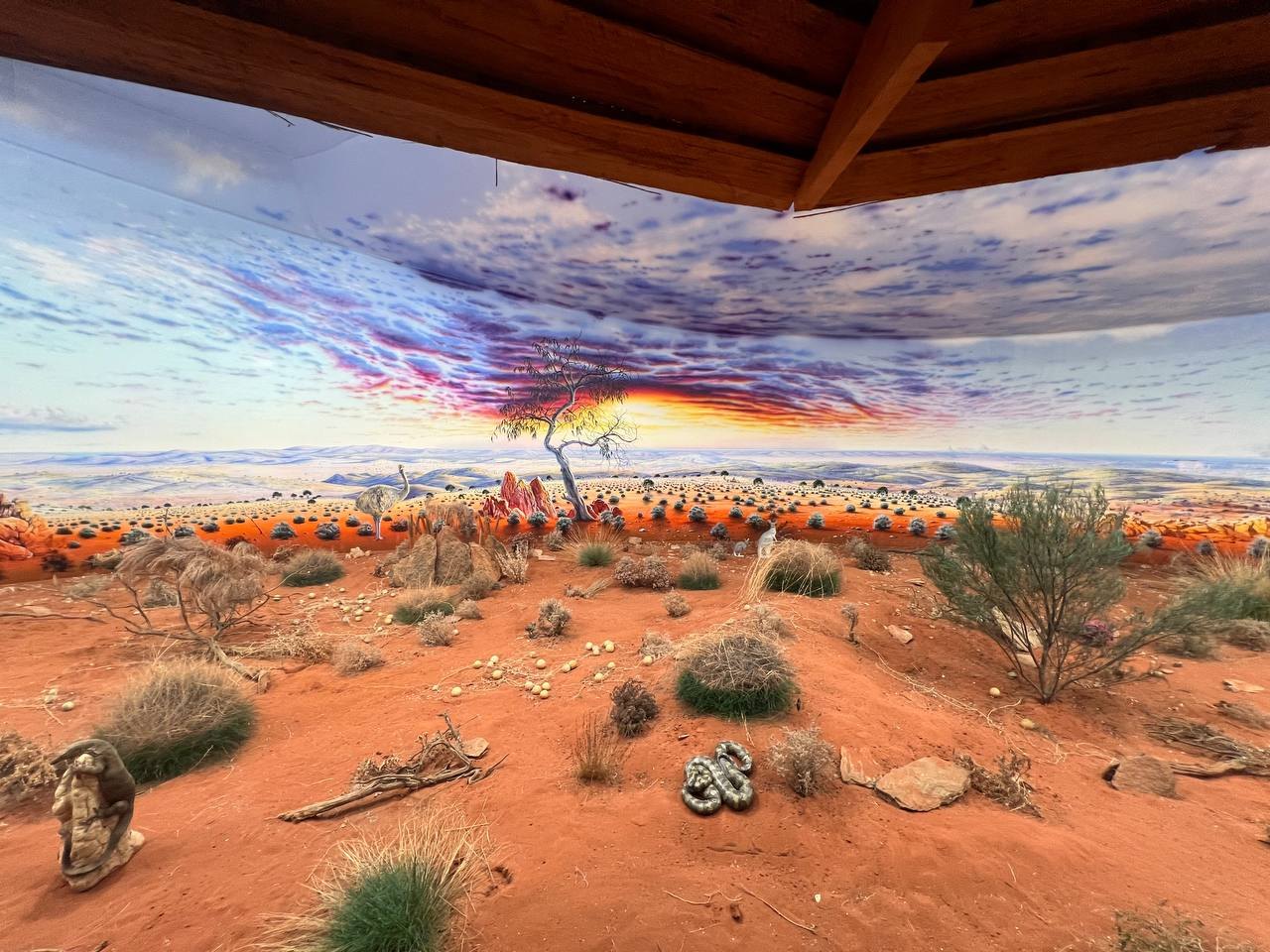 The sculpted foreground up close: spinifex, termite mounds and a few of the locals.
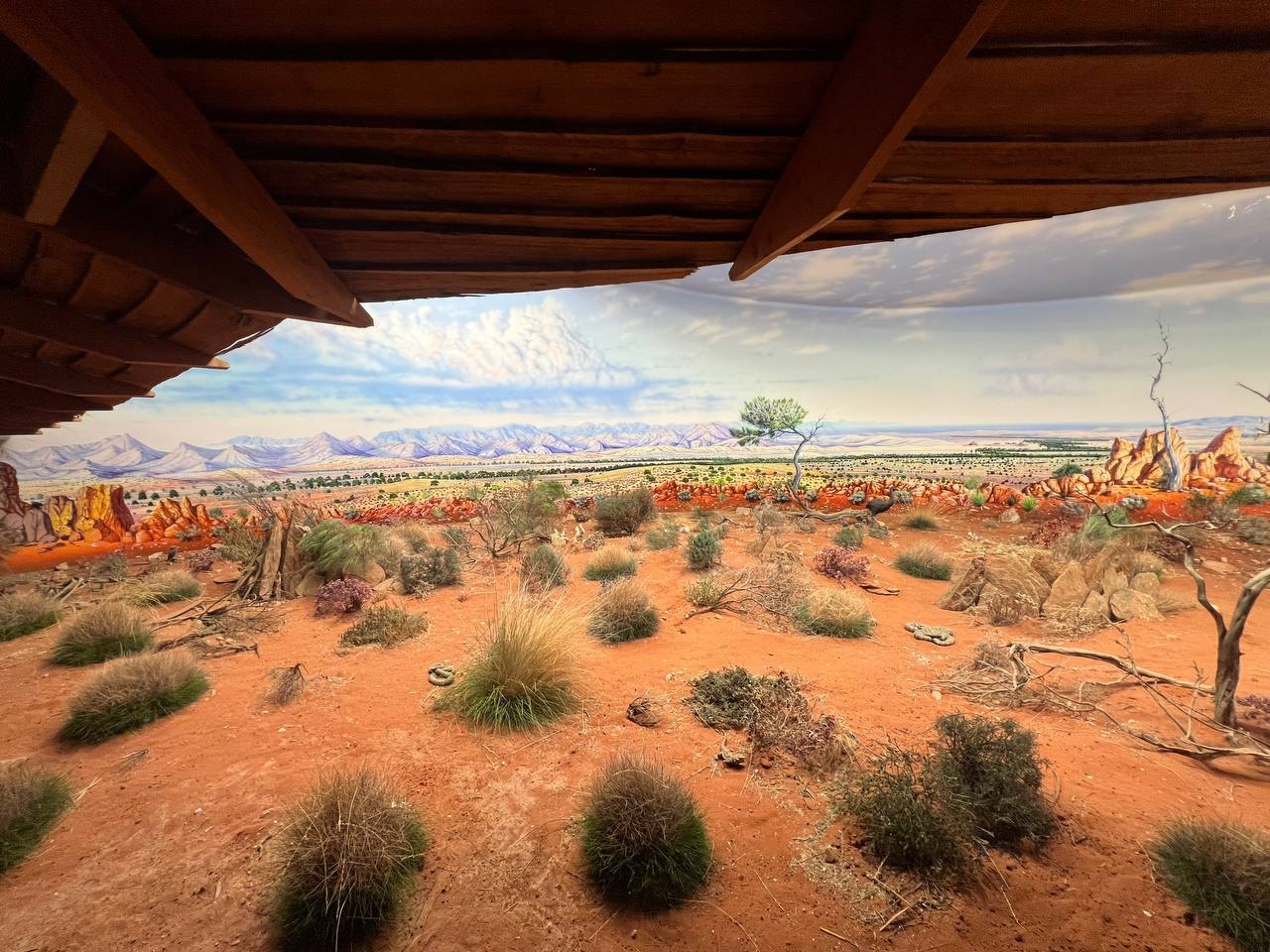 Real stones and spinifex up front, purple ranges at the back.
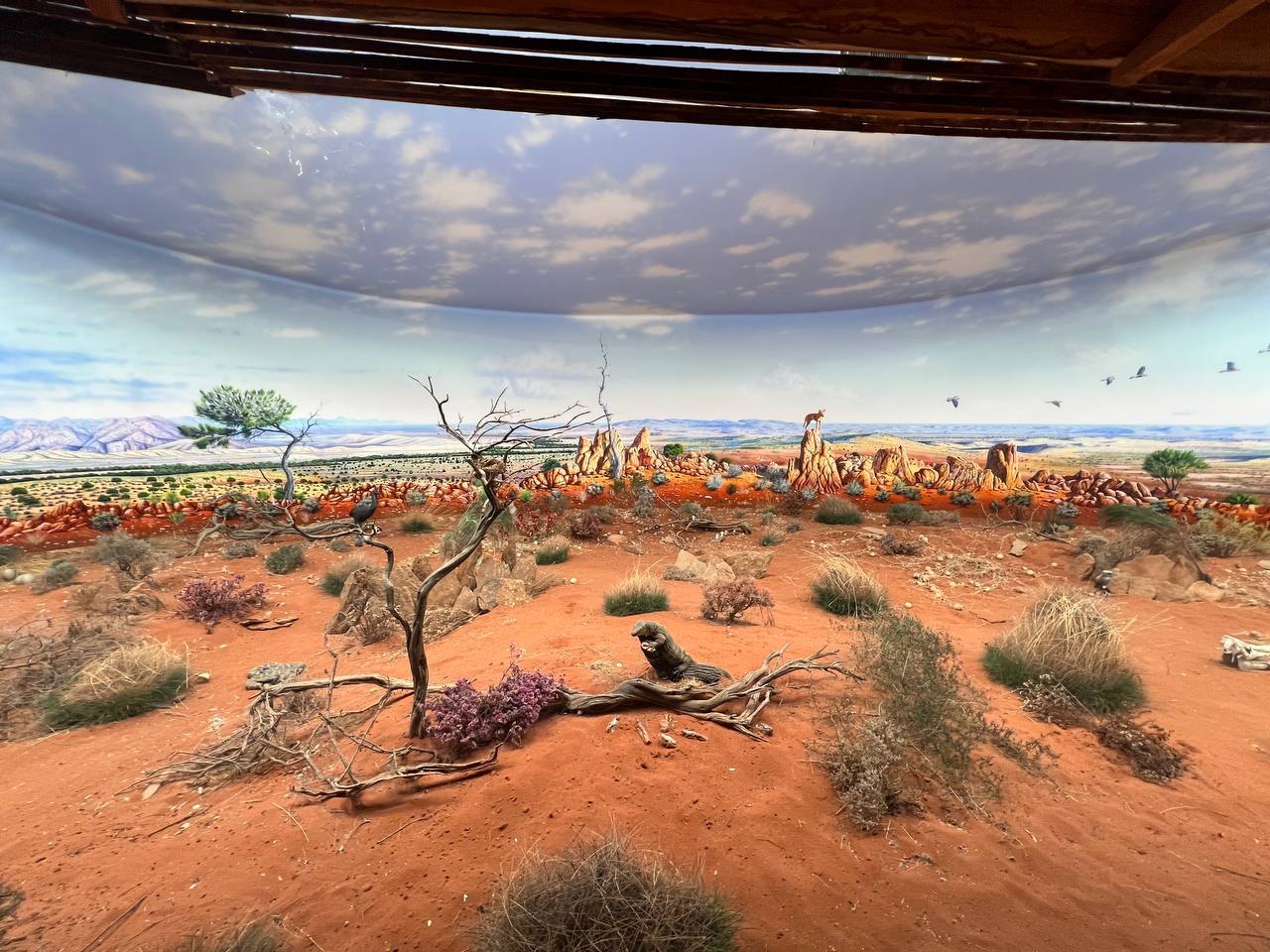 Some of the wildlife is stuffed; the rest is painted.
Chocolates were acquired. Tomorrow we start heading home: Mungo.